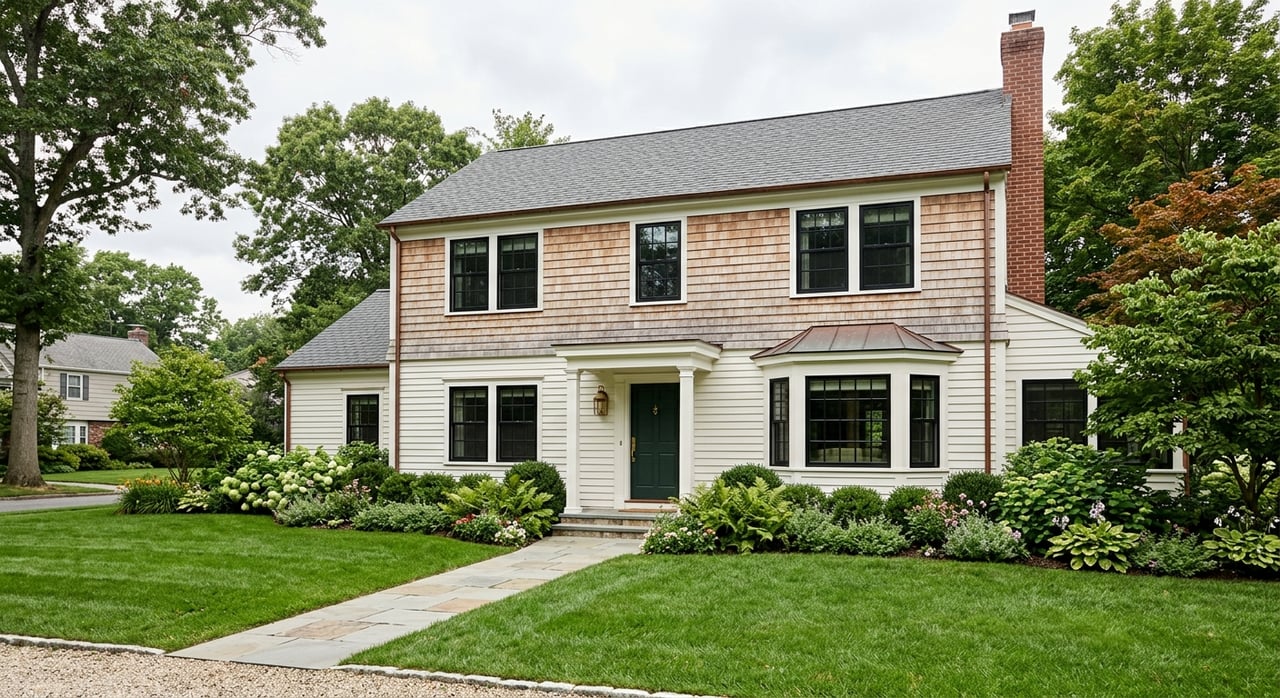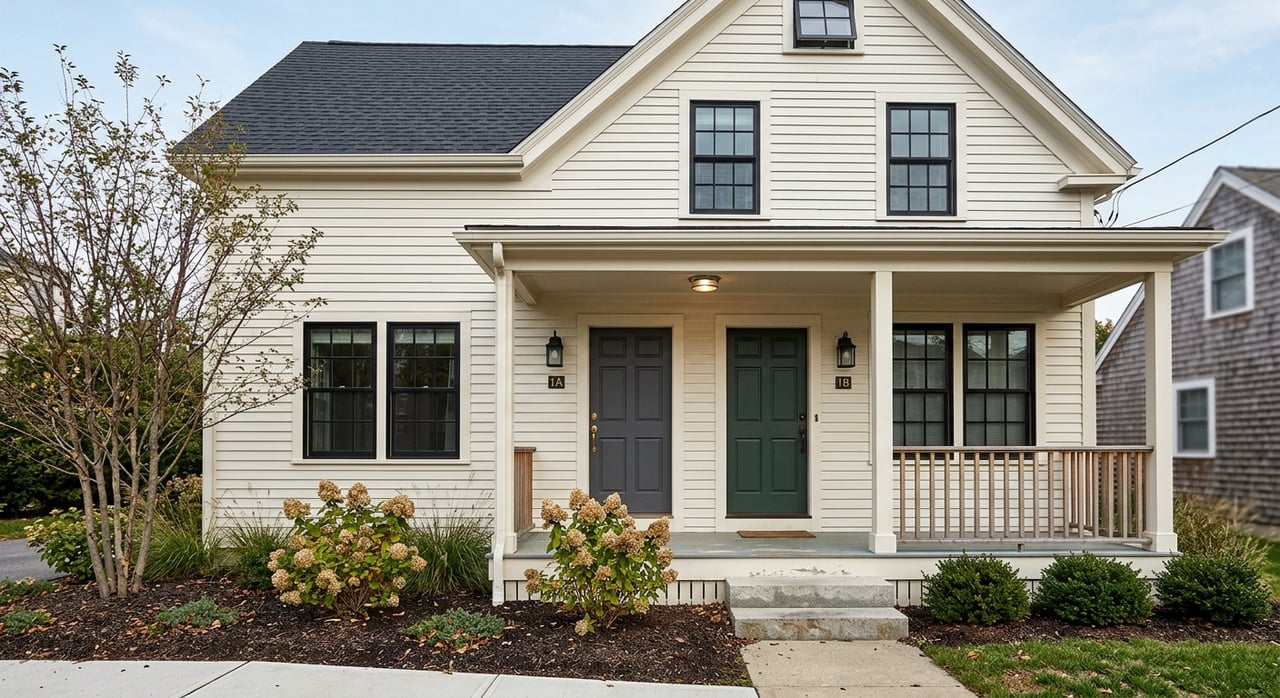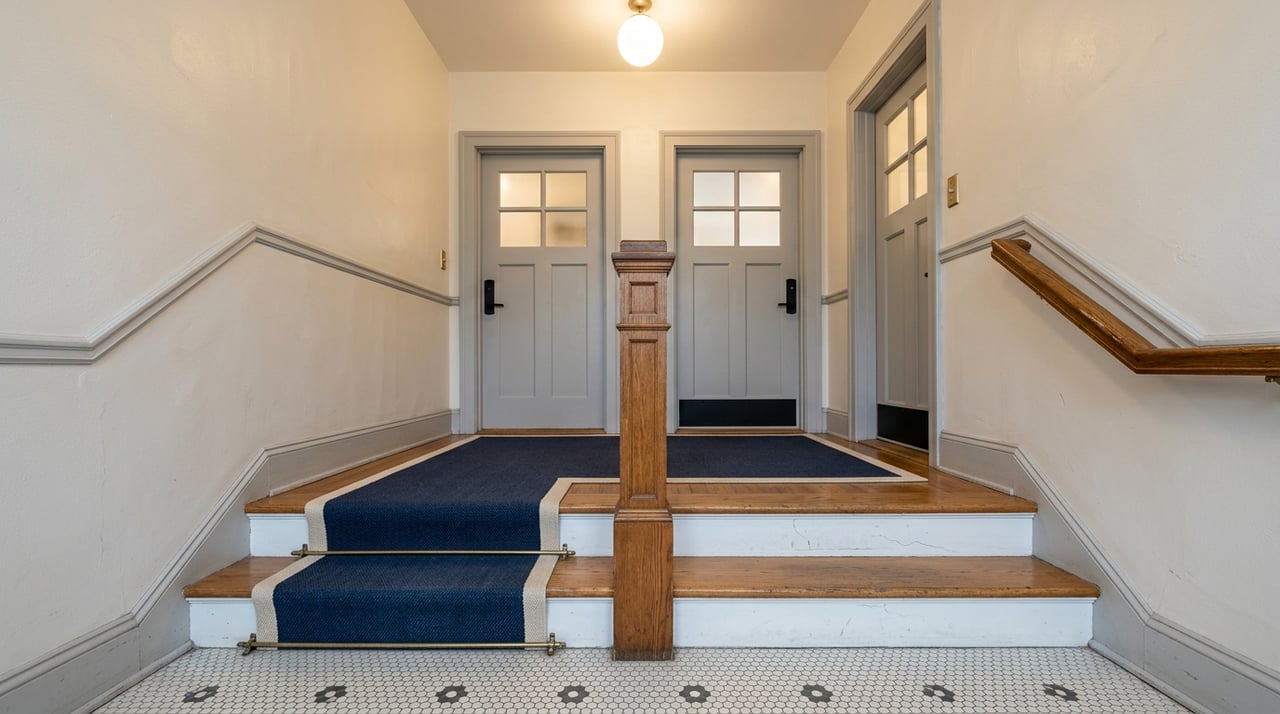
Buying a multi-family home in Medford can look like a smart shortcut to homeownership, but it comes with more moving parts than a typical single-family purchase. If you are hoping to live in one unit and rent the other, you are probably weighing monthly costs, renovation risk, and whether the numbers will really work. This guide will help you understand how owner-occupied multi-family buying works in Medford, what to watch for in older properties, and how to plan your next steps with more confidence. Let’s dive in.
Why Medford Fits Owner-Occupants
Medford is a practical market for owner-occupant multi-family buyers because two-unit housing makes up a meaningful share of the local housing stock. The city’s housing production plan estimates that about 27% of Medford homes are two-unit properties, which gives buyers a real reason to consider this path.
This setup is also familiar across Greater Boston. Massachusetts housing guidance notes that a common landlord profile is an individual or family that owns a two-family or three-decker, lives in one unit, and rents the others. In other words, if you are exploring a live-in investment strategy here, you are looking at a very established model.
Medford’s tight housing conditions also shape the opportunity. The same city plan estimates vacancy at just 0.2% for owner-occupied homes and 3.2% for rentals, which helps explain why well-located multi-family homes can attract serious attention.
Common Multi-Family Types in Medford
Two-Family Homes
For many buyers, the two-family is the most approachable starting point. It often offers a simpler layout, a more familiar ownership experience, and one rental unit that may help offset your monthly payment.
In Medford, two-family properties are especially relevant because of how much of the city’s housing stock falls into the two-unit category. If you want owner-occupant income potential without taking on a larger building, this is usually the first property type to evaluate.
Three-Family Properties
Three-family homes, including classic triple-deckers, can offer more rental income potential. They can also come with more maintenance, more tenant coordination, and a different level of compliance compared with a two-family.
Medford’s building department classifies structures with three or more dwelling units as R-2 multi-family properties and notes that the city has more than 500 properties in that category. That matters because a 3+ unit building may be treated differently from a two-family in inspections and ownership planning.
Older Housing Means Deeper Due Diligence
One of the biggest realities in Medford is age. The city’s housing plan estimates that more than 83% of the housing stock was built before 1979, so older systems and deferred maintenance are not unusual here.
That means you should look past fresh paint and updated kitchens. The real questions often involve roofing, plumbing, electrical, heating systems, windows, insulation, and signs of long-term wear.
The city plan also warns that older housing can come with hazards such as lead paint, asbestos, and lead pipes. For an owner-occupant, this is not a reason to avoid the market, but it is a strong reason to budget carefully and inspect thoroughly.
Zoning and Use Matter
Before you assume you can add a unit, reconfigure a layout, or convert space, verify the property’s zoning and permitted use. Medford is working through zoning changes tied to MBTA community requirements, and the city has said that this work is aimed at increasing housing supply, walkability, and transit-oriented growth.
That bigger planning effort does not mean every parcel allows the same thing. The practical takeaway is simple: confirm what is allowed for the specific property before building your plan around future changes.
How Rental Income Is Usually Viewed
If you are buying a 2-4 unit property as your primary residence, rental income may help you qualify for financing. Fannie Mae allows rental income from a 2-4 unit primary residence to be considered, but the exact treatment depends on the lender’s documentation requirements.
Depending on the situation, lenders may use items such as Schedule E, a fully executed current lease, or market-rent forms. If you are a first-time buyer, this is one of the most important conversations to have early, because projected rent is not always counted dollar for dollar.
When current lease agreements or market-rent forms are used, Fannie Mae says lenders count 75% of gross rent. The remaining 25% is treated as a cushion for vacancy and ongoing maintenance, which is a helpful reminder to model the property conservatively.
What That Means for Your Budget
A multi-family purchase can improve your monthly picture, but only if you run realistic numbers. Between taxes, repairs, vacancy, and building upkeep, the property needs to make sense beyond the best-case scenario.
As you evaluate options, focus on these questions:
- How much rental income is actually documented today?
- How much of that income will your lender credit?
- What repairs or upgrades will be needed soon after closing?
- Can your budget handle a temporary vacancy or surprise maintenance?
- Are you comfortable managing the property while living on-site?
A clear budget often tells you more than an online mortgage estimate. In Medford, where older buildings are common, this step matters even more.
Lead Law Should Be Part of Your Plan
Lead compliance is a major part of buying older multi-family homes in Medford. Because so much of the city’s housing stock predates 1979, this issue should be part of your analysis from the start.
For most pre-1978 homes, federal law requires sellers, landlords, real estate agents, and property managers to disclose known lead-based paint information before a sale or lease. Buyers must also receive the lead pamphlet and records, plus a 10-day opportunity to inspect or assess for lead hazards.
Massachusetts adds important rental-specific steps. Before renting a pre-1978 home, the owner must provide tenant lead-law notification and certification forms, even if no child under 6 will live there.
If a child under 6 will live in the home, Massachusetts Lead Law requires deleading or interim control. State guidance also says that after a property transfer, a new owner must complete those steps within 90 days when applicable.
Medford Costs to Plan For
Taxes are an important part of your carrying costs. Medford’s FY2026 residential property tax rate is $8.63 per $1,000 of assessed value.
The city also levies a 1.5% CPA surcharge on property tax bills, with an automatic $100,000 exemption on assessed value. Taxes are billed quarterly, so it helps to plan not just for the total amount, but also for when those payments come due.
The city notes that some owner-occupants may qualify for additional statutory exemptions. If you are comparing properties closely, those details can affect your true monthly and annual ownership costs.
Renovation Rules After Closing
Many Medford multi-family homes need updates, and some need significant system work. If you are planning improvements after closing, it is important to understand the local permit and contractor rules.
Medford requires licensed electrical, plumbing, and gas work. The city also says that only owners of single- or two-family dwellings who reside in the structure may obtain a homeowner permit.
For owner-occupied 1-4 family projects, the city advises hiring contractors with a construction supervisor license, home improvement contractor registration, and workers’ compensation coverage. That guidance can help you avoid delays and keep your project moving in the right direction.
Inspections: Two-Family vs. 3+ Units
Not all multi-family properties are treated the same. In Medford, the building department says that two-family properties do not require the same state periodic inspection notice that applies to properties with three or more residential units.
That distinction matters when you compare a two-family with a larger building. A three-family may offer more income potential, but it can also come with added compliance and common-area inspection considerations.
A Smart Buying Approach in Medford
If you are serious about buying a Medford multi-family as an owner-occupant, a steady step-by-step plan can make the process much easier. The goal is not just to win a property. It is to choose one that fits your finances, your comfort level, and your long-term goals.
A practical approach usually looks like this:
- Define your live-in landlord goals and monthly comfort zone.
- Ask your lender how rental income will be documented and counted.
- Review taxes, surcharge, and expected maintenance together.
- Investigate zoning and permitted use for the specific parcel.
- Pay close attention to age, systems, and deferred maintenance.
- Review lead-law requirements before you plan to rent a unit.
- Line up licensed professionals if renovation work is likely.
This kind of structure helps you make cleaner decisions in a competitive market. It also helps you avoid overcommitting to a property that looks strong on paper but needs more time, money, or compliance work than expected.
Buying a multi-family in Medford can be a strong path for first-time buyers, move-up buyers, and anyone who wants a home that also supports their long-term finances. The key is to treat it as both a place to live and a small housing business, with careful attention to numbers, condition, and local rules.
If you want a clear plan for comparing two-family and three-family options in Medford, Neran Rohra can help you think through the property, the process, and the tradeoffs step by step.
FAQs
What makes Medford a strong market for owner-occupied multi-family homes?
- Medford has a meaningful share of two-unit housing, a familiar owner-occupant landlord model in Greater Boston, and tight vacancy conditions that keep rental demand relevant.
What should you check first when buying an older multi-family home in Medford?
- Focus first on systems, deferred maintenance, and possible hazards such as lead paint, asbestos, and lead pipes, since much of Medford’s housing stock was built before 1979.
How is rental income counted for a Medford owner-occupied multi-family mortgage?
- For eligible 2-4 unit primary residence financing, rental income may be considered, but lenders typically require documentation and may count 75% of gross rent when using leases or market-rent forms.
What lead-law steps matter when renting out a unit in a Medford multi-family home?
- For pre-1978 homes, you must plan for disclosure requirements, tenant lead-law forms, and if a child under 6 will live there, deleading or interim control may be required under Massachusetts law.
What is the difference between a two-family and a three-family in Medford building rules?
- Medford says the state periodic inspection notice applies to properties with three or more residential units, while two-family properties do not receive that same notice.
What local ownership costs should you budget for in a Medford multi-family purchase?
- You should budget for the residential tax rate, the CPA surcharge, quarterly tax timing, routine maintenance, vacancy risk, and likely repair costs tied to older housing stock.