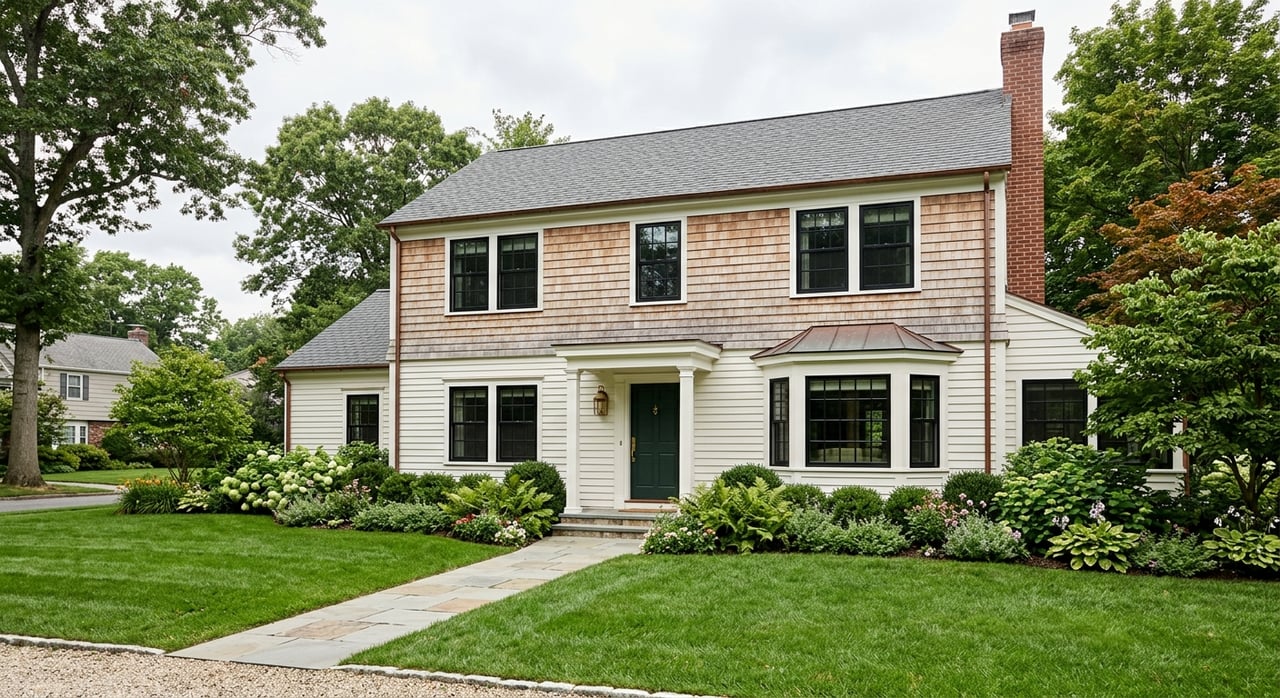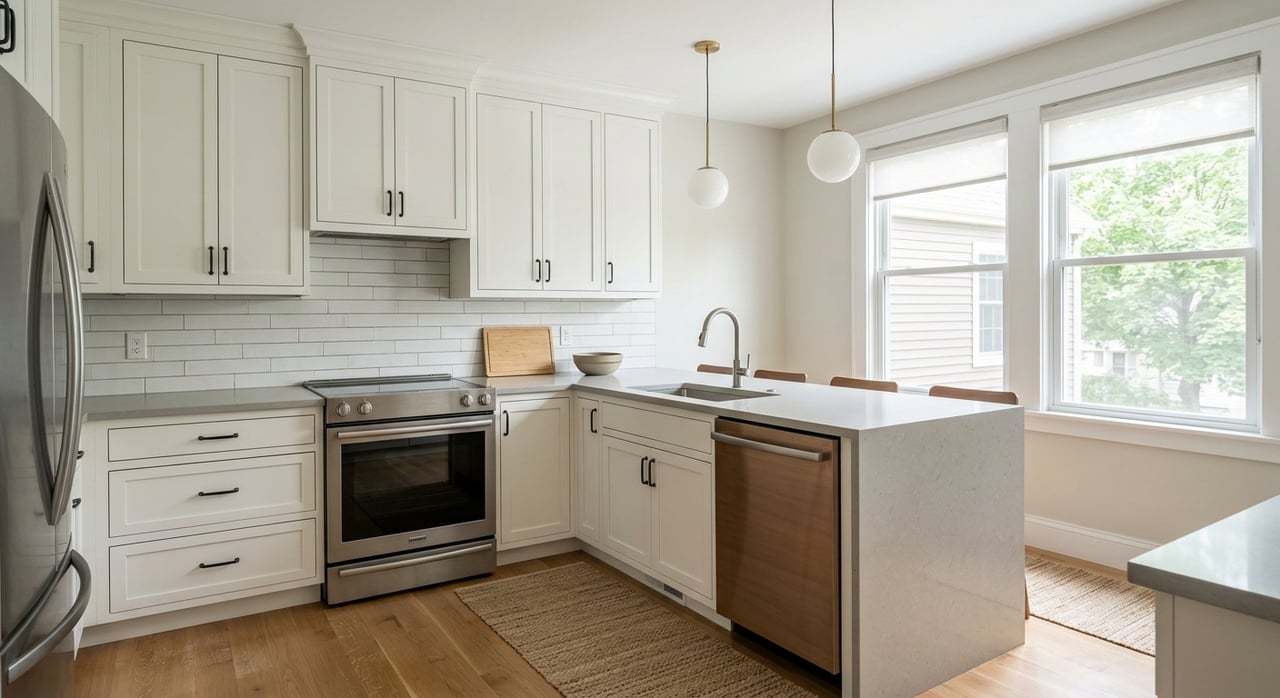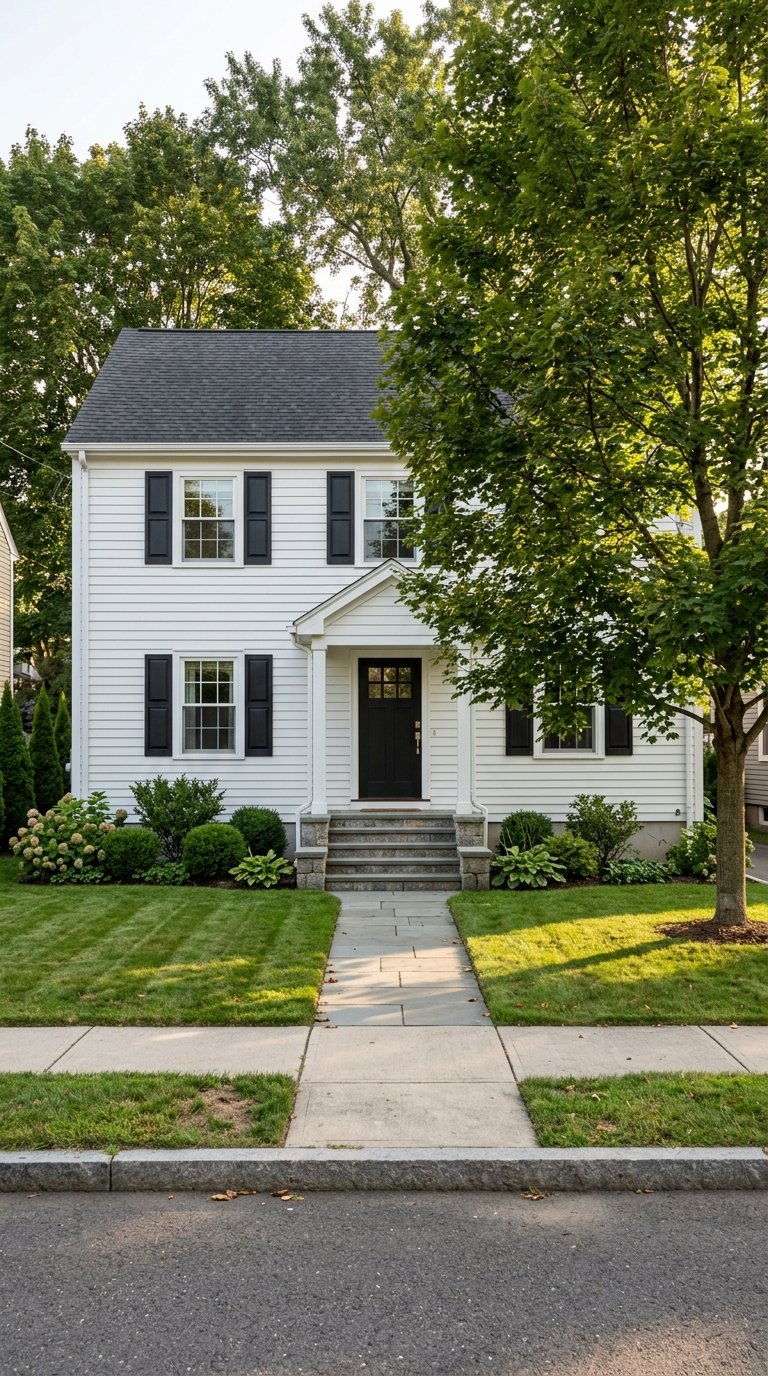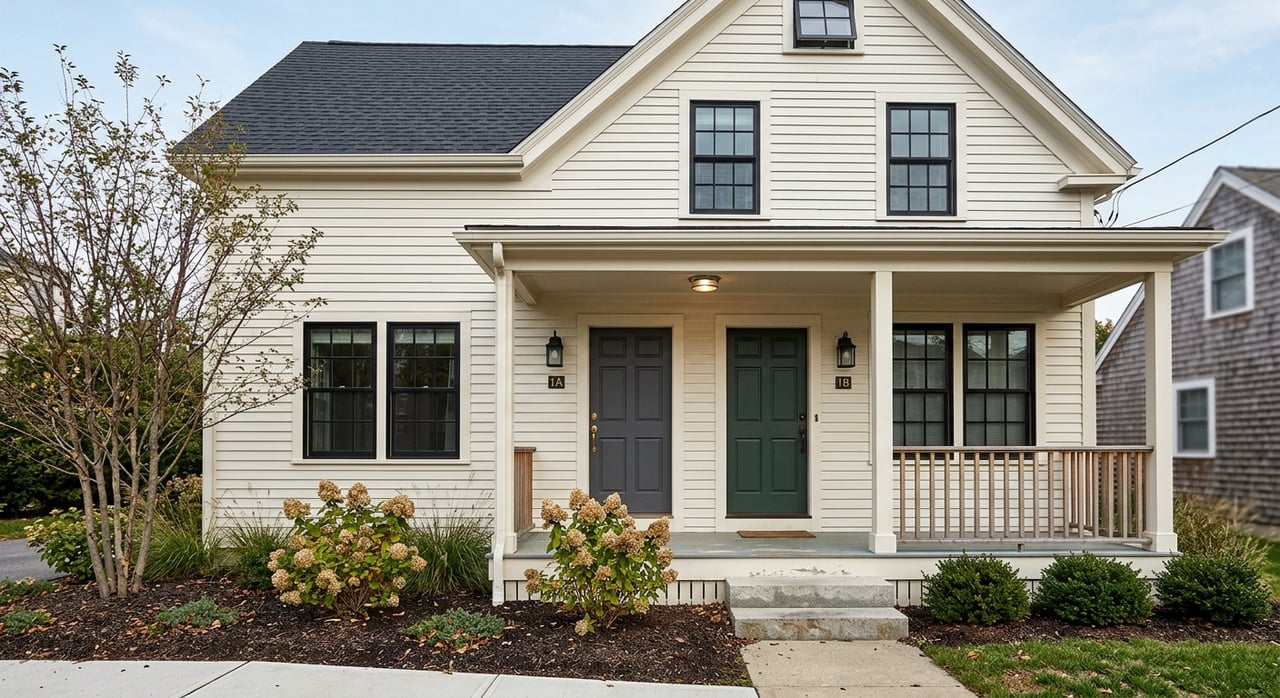
Wondering whether a condo or a single-family home makes more sense in Belmont? You are not alone. In a market where prices are high, homes move quickly, and tradeoffs matter, the right choice often comes down to how you want to live and what you want your monthly costs to feel like. This guide will help you compare both options clearly, so you can move forward with more confidence. Let’s dive in.
Belmont market at a glance
Belmont remains a premium market by any measure. Recent reports show median sale prices ranging from about $1.354 million to $1.61 million, depending on the source and time period, while Zillow places the typical home value around $1.479 million.
It is also a fast-moving market. Redfin reported homes selling in about 21 days on average, with around seven offers per home. That means your decision is not just about price. It is also about being prepared to act when the right property appears.
Price range: condo vs single-family
For many buyers, the biggest difference is the entry point. Current Belmont condo listings range from about $395,000 to about $1.399 million, while current single-family listings start around $1.199 million and run up to about $4.499 million.
That gap matters. If you are trying to buy into Belmont for the first time, a condo may offer a more realistic starting point. If you are moving up for more space and flexibility, a single-family home may better match your long-term goals.
What that looks like in real numbers
Here is a simple snapshot based on current listing ranges:
| Property type | Approximate current low end | Approximate current high end |
|---|---|---|
| Condo | $395,000 | $1.399 million |
| Single-family | $1.199 million | $4.499 million |
The takeaway is straightforward. In Belmont today, condos often create a lower path into homeownership, while single-family homes usually require a much larger budget from day one.
Monthly costs are more than the mortgage
It is easy to focus on purchase price, but your real decision should include total carrying cost. In Belmont, property taxes alone can make a noticeable difference.
Belmont’s FY2026 residential tax rate is $11.51 per $1,000 of assessed value. At that rate, a property assessed at $395,000 would imply about $4,546 per year in taxes, while a $1.25 million assessment would imply about $14,388 per year before exemptions.
Estimated Belmont property tax examples
| Assessed value | Approx. annual tax | Approx. monthly tax |
|---|---|---|
| $395,000 | $4,546 | $379 |
| $500,000 | $5,755 | $480 |
| $1.25 million | $14,388 | $1,199 |
| $1.5 million | $17,265 | $1,439 |
For condos, you also need to think beyond taxes and mortgage payments. Under Massachusetts condo law, shared areas like roofs, halls, land, yards, gardens, parking areas, and storage spaces are generally treated as common areas unless the master deed says otherwise. Common expenses cover the administration, maintenance, repair, or replacement of those shared areas, and those costs are assessed to unit owners.
That means a condo budget should include mortgage, taxes, condo fees or common charges, reserves, and the possibility of special assessments. A lower purchase price does not always mean a lower monthly housing cost.
What condo ownership changes in Massachusetts
A condo gives you ownership of your unit plus an interest in the common areas. Massachusetts law also makes clear that unit owners cannot avoid their share of common expenses just because they do not use a shared area.
In practical terms, that means you are sharing responsibility for parts of the property that affect everyone. If the association needs to repair the roof, maintain parking areas, or fund reserves, those costs are part of ownership.
Condo fees do not replace all maintenance
This is a common point of confusion. Condo common charges help fund shared expenses and reserves, but you still need to plan for maintenance inside your own unit.
So if you are comparing a condo with a detached house, the better question is not “Which one has maintenance?” Both do. The better question is “Which maintenance responsibilities do I want to manage directly, and which do I prefer to share?”
What single-family ownership usually means
With a detached home, more of the upkeep responsibility sits directly with you. That includes budgeting for property taxes, homeowners insurance, maintenance, repairs, utilities, and emergency savings.
This setup gives you more direct control, but it also means fewer shared responsibilities. If the roof needs replacement, the driveway needs work, or the yard needs upkeep, those projects are yours to plan, schedule, and pay for.
Lifestyle differences you will actually feel
Price matters, but your daily experience matters too. In Belmont, the condo versus single-family decision often becomes clearest when you think about space, privacy, and flexibility.
Outdoor space
Outdoor space is often the most visible difference. Condo units may include limited common or shared outdoor areas, or assigned balconies, porches, decks, storage, or parking depending on the master deed and the specific property.
Detached homes more often include the lot and yard as part of the purchase. If having your own outdoor area is a major priority, a single-family home will usually offer more of it.
Privacy and noise
Condos often come with shared walls, shared entries, or shared building systems. For some buyers, that tradeoff feels completely reasonable in exchange for a lower price point or a simpler exterior maintenance structure.
If privacy, quieter separation, and a greater sense of independence matter most to you, a detached home is usually the stronger fit. This can be one of the biggest quality-of-life factors over time.
Flexibility for future changes
A single-family home is usually easier to adapt later. If you are thinking ahead about layout changes, additions, or larger exterior updates, detached ownership generally offers more room to plan.
With a condo, changes may be limited by the master deed, bylaws, or association governance. That is why reviewing the condo documents, budget, and reserve picture is such an important part of your due diligence.
Which option tends to fit which buyer
There is no universal right answer. The better fit depends on your finances, your lifestyle, and how long you expect this home to work for you.
A condo may fit you if
- You want a lower entry price in Belmont
- You are buying for the first time and want a more accessible starting point
- You are comfortable with association rules and shared expenses
- You prefer sharing responsibility for certain exterior or common-area costs
- You do not need a large private yard or major future customization
A single-family home may fit you if
- You want more space, privacy, and independence
- You expect your housing needs to grow over time
- You value having a yard or more direct control over the property
- You want more flexibility for future updates or changes
- You can comfortably handle the higher purchase price and tax burden
A smart way to decide in Belmont
If you are torn between the two, try comparing homes through three lenses: budget, lifestyle, and time horizon. That usually brings the answer into focus faster than looking at square footage alone.
1. Start with your full monthly budget
Do not compare only mortgage payments. Compare taxes, insurance, utilities, expected maintenance, condo fees if applicable, and a cushion for repairs or special assessments.
A condo with a lower price may still feel expensive month to month if common charges are high. A single-family home may cost more upfront, but could better match your priorities if space and control matter more.
2. Be honest about your day-to-day needs
Think about how you live now, not just what sounds ideal. Do you want less direct exterior upkeep, or do you want your own yard and more separation from neighbors?
Also think about what will matter after the excitement of closing fades. The right home should support your routine, not just your wish list.
3. Think a few years ahead
Your next move may come sooner than you expect if you buy a home that does not fit your likely near-term needs. If you are planning for more space, a home office, or more flexibility later, that may point you toward single-family.
If your priority is getting into Belmont now with a clearer budget path, a condo may be the more strategic first step. Either option can make sense when it matches your timing and goals.
The bottom line
In Belmont, condos usually offer a lower entry point and shared responsibility for certain property costs, while single-family homes usually offer more space, privacy, and long-term flexibility at a higher price. Neither option is automatically better. The better choice is the one that fits your finances, your daily life, and your future plans.
A clear side-by-side analysis can save you time and stress in a market that moves quickly. If you want a practical plan for comparing specific Belmont condos and single-family homes, Neran Rohra can help you evaluate the numbers, the tradeoffs, and the best next step for your situation.
FAQs
What is the main price difference between condos and single-family homes in Belmont?
- Current Belmont condo listings run from about $395,000 to about $1.399 million, while current single-family listings run from about $1.199 million to about $4.499 million.
Do Belmont condo fees cover all maintenance costs?
- No. Condo common charges help fund shared expenses and reserves, but you should still budget for maintenance and repairs inside your own unit.
How are Belmont property taxes calculated for condos and houses?
- Belmont’s FY2026 residential tax rate is $11.51 per $1,000 of assessed value, so the amount depends on the property’s assessed value whether you buy a condo or a single-family home.
Is a single-family home in Belmont usually better for privacy?
- Usually, yes. Detached homes generally offer more privacy and independence because condos often involve shared walls, entries, or common systems.
Are condos in Belmont easier for first-time buyers?
- They often can be, because the entry price for condos is currently much lower than the entry price for detached homes in Belmont.
Which Belmont property type is usually easier to customize later?
- A single-family home is usually easier to customize because condo changes may be limited by the master deed, bylaws, or association governance.