If you want quick access to Cambridge and Boston but do not want to give up a quieter, residential feel, Belmont often lands on the shortlist fast. It is a town that many buyers and movers look at when they want strong day-to-day convenience, classic housing stock, and neighborhood areas that feel distinct without being far apart. In this guide, you will get a clear picture of what it is actually like to live in Belmont, from housing and commuting to parks, village centers, and who the town tends to fit best. Let’s dive in.
Belmont at a glance
Belmont is a small inner-core suburb in Middlesex County on Cambridge’s western border, about 8 miles from Downtown Boston. The town describes itself as the “Town of Homes,” which fits its primarily residential character.
Belmont does not revolve around one central downtown. Instead, daily life is shaped by three main commercial areas: Belmont Center, Cushing Square, and Waverley Square. That setup gives the town a more local, neighborhood-by-neighborhood feel.
The town’s own planning materials note that different parts of Belmont feel different. Eastern Belmont is described as more similar to Cambridge and Watertown, while western Belmont is described as more like Lexington and Arlington.
According to the 2020 Census, Belmont had a population of 27,295. Census QuickFacts for 2020 through 2024 also show an owner-occupied housing rate of 64.7%, a median value of owner-occupied homes of $1,159,000, and a median household income of $183,137.
Belmont housing feels varied
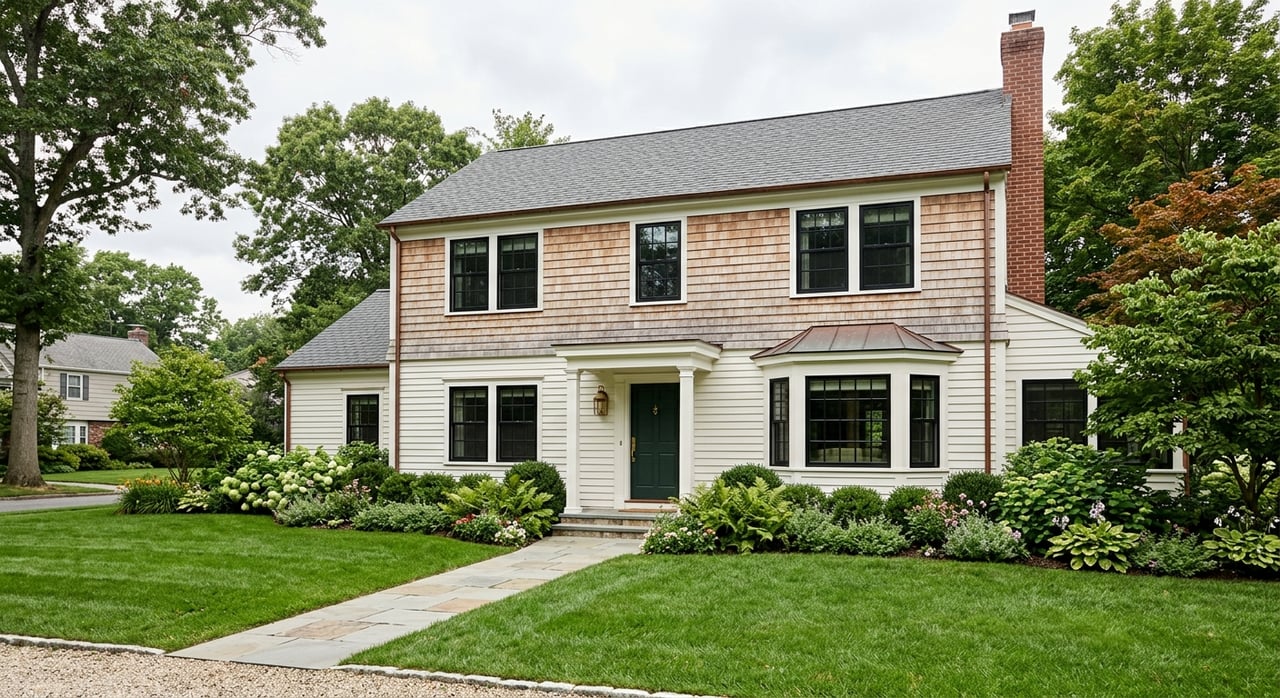
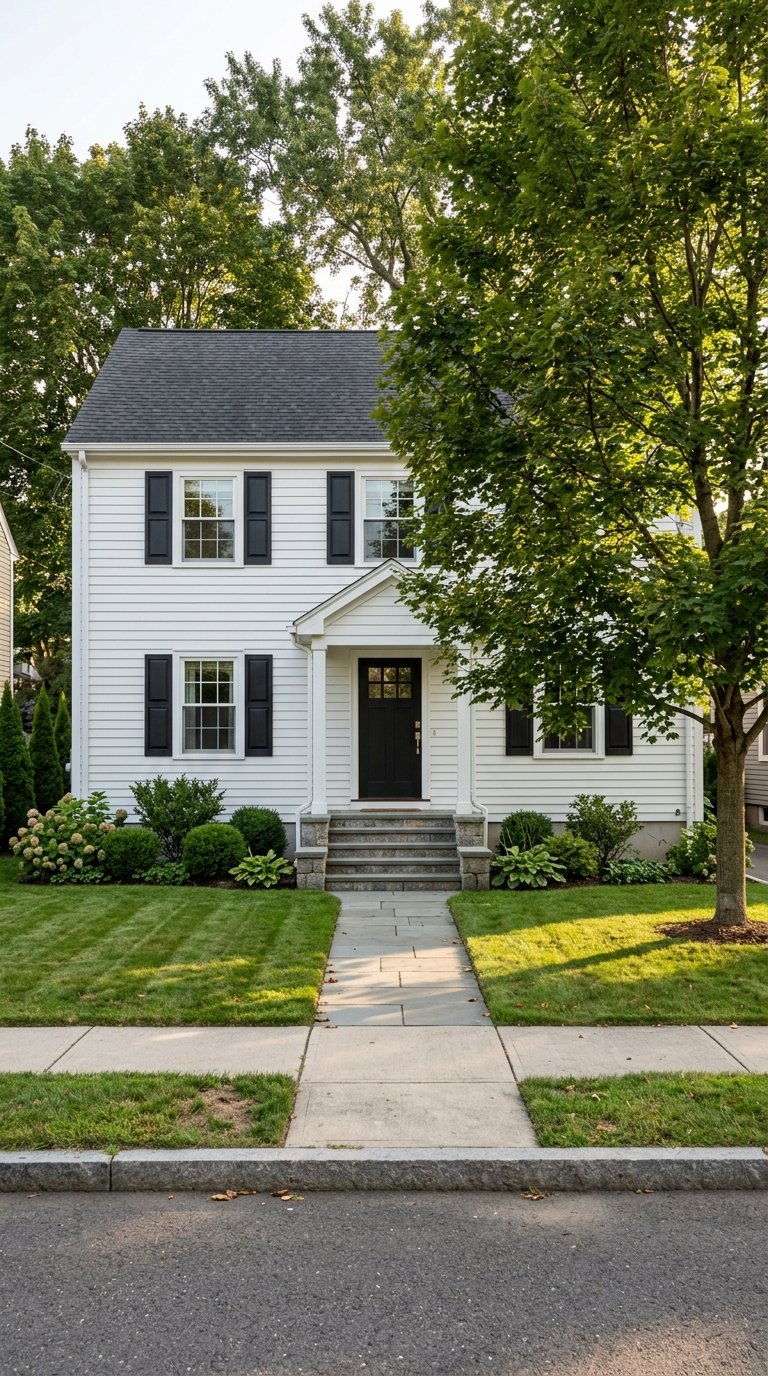
One of Belmont’s biggest strengths is the range of home styles packed into a relatively small town. Historic survey materials identify architectural styles including Georgian, Federal, Greek Revival, Italianate, Queen Anne, Shingle Style, Colonial Revival, Cape Cod, Tudor Revival, Craftsman, Prairie, and International Style.
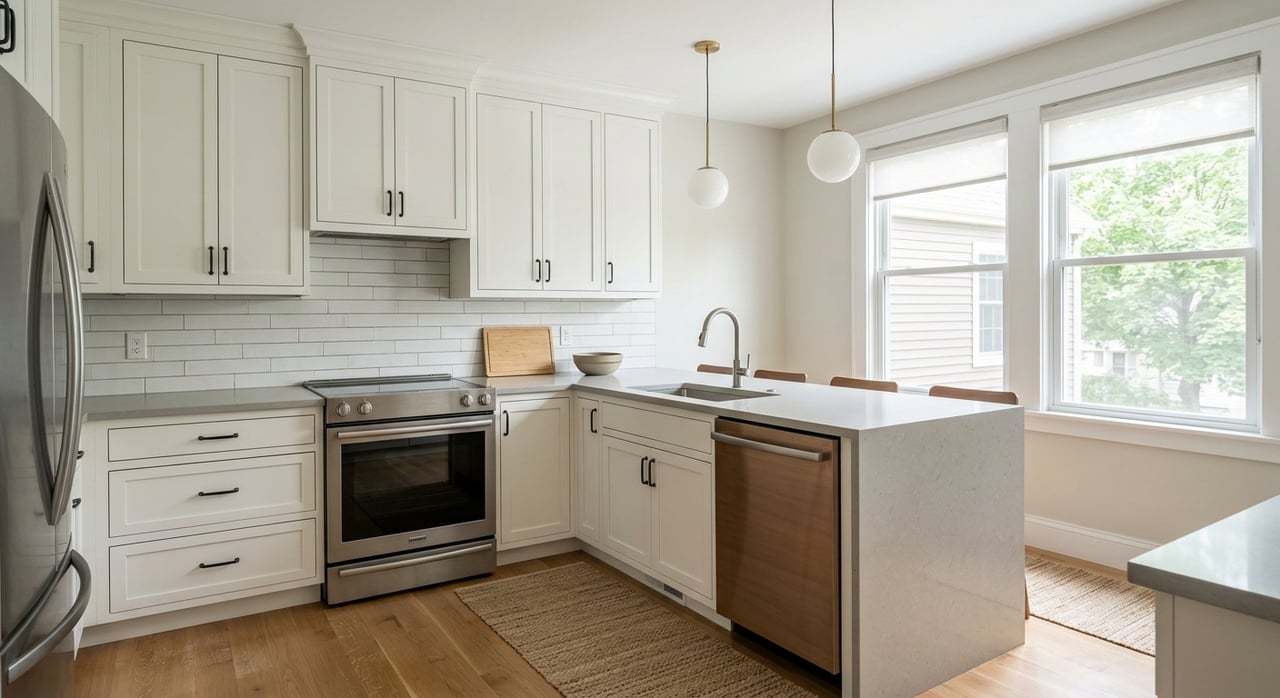
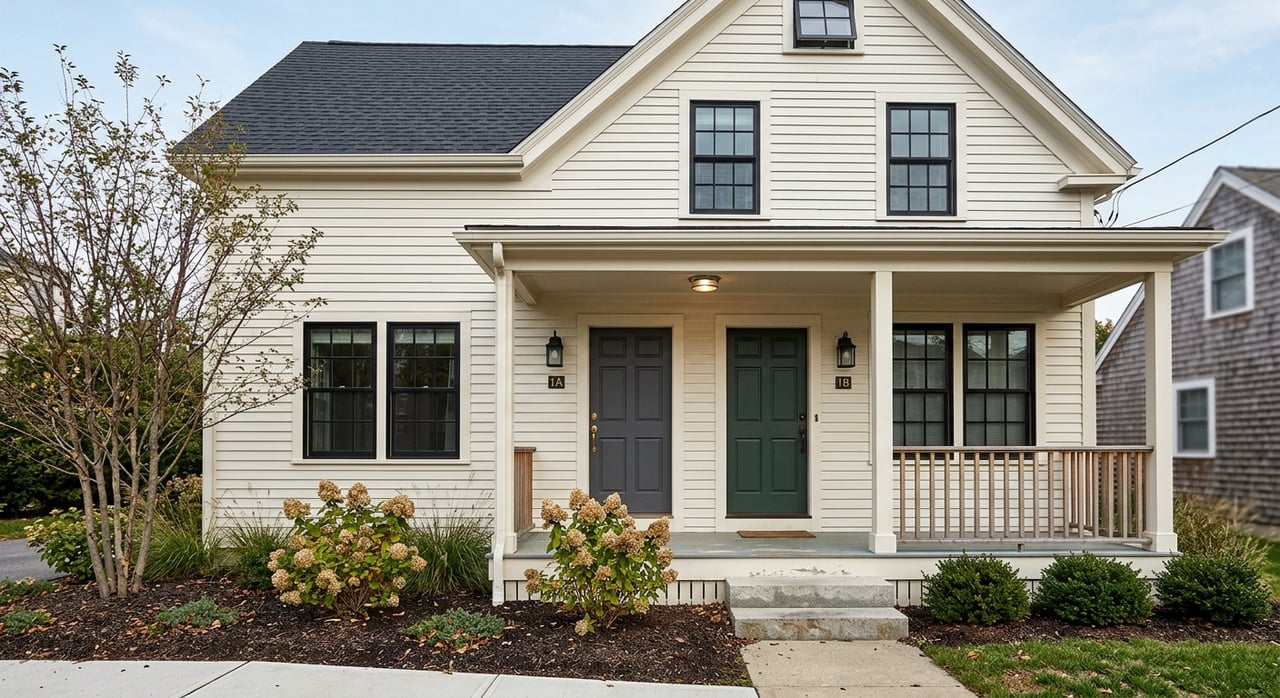
For you as a buyer or homeowner, that usually means you will see more than one type of housing choice. Belmont includes older single-family homes, updated colonials, capes, period homes, condos, and multi-family properties.
Colonial Revival is noted as the most widely used style across town. Queen Anne homes are concentrated in Belmont Park and Payson Park, while English Revival and Tudor examples are common in areas such as Clark Hill and Walnut Hill.
Belmont home prices are high
Belmont is generally a high-cost housing market. Town planning documents describe housing costs as among the highest in the metro region, and current market data supports that picture.
Recent sold examples reported by Redfin range from a $409,000 one-bedroom condo to about $3.1 million for a larger single-family home. Several condo and smaller-home sales fall in the roughly $525,000 to $790,000 range, while many single-family sales cluster from about $1.2 million to $2.6 million.
Zillow’s current market page shows an average home value of about $1.48 million and a median list price of about $1.56 million. Redfin reports a median sale price of about $1.45 million, homes selling in about 16 days, and an average of 7 offers per home.
That tells you two important things. First, Belmont offers a range of property types, but it is usually not an entry-level market overall. Second, homes can move quickly, so having a realistic budget and a clear strategy matters.
Commuting from Belmont is practical
Belmont tends to appeal to people who want access to nearby job centers and city destinations without living directly in the middle of them. The town is served by MBTA commuter rail and bus routes, which helps support that balance.
According to the town’s Housing Production Plan, Belmont has two commuter rail stations: Waverley Square and Belmont Center. The same plan says the town has seven bus lines connecting to places including Cambridge, Waltham, Lexington, and Boston through bus and train connections.
Town transportation materials identify key bus routes such as Route 73 from Waverley Square to Harvard Square, Routes 74 and 75 from Belmont Center to Harvard Square, Route 78 toward Harvard Square through Arlington and Belmont, and Routes 62 and 76 toward Alewife and Lexington. The Fitchburg commuter rail line also serves Waverley.
Transit access is not exactly the same across the whole town. The Housing Production Plan notes that eastern and southern Belmont are generally within a 10- to 15-minute walk of transit, while much of northern and western Belmont is more car-dependent.
Belmont is improving non-car access
If you value walking, biking, or having more than one way to get around, Belmont has some useful infrastructure in place and more planned. The Belmont Community Path already links the Brighton Street and Blanchard Road area with Alewife.
According to the town’s Housing Production Plan, future phases are expected to extend the path to Belmont Center and Waverley Square. Over time, that could strengthen connections between residential areas, transit, and village centers.
Daily life centers on villages
A big part of living in Belmont is how daily errands and local routines tend to happen around village centers rather than one big downtown. Belmont Center, Cushing Square, and Waverley Square each help anchor day-to-day life.
The town also provides municipal parking in Belmont Center, Cushing Square, and Waverley Square. That may sound like a small detail, but it supports how residents use these commercial areas for regular errands and local activity.
Belmont’s public library is located at 366 Concord Avenue. The Beech Street Center serves both the Council on Aging and the Recreation Department, which adds to the town’s community-oriented feel.
Parks and open space stand out
For a town close to Cambridge and Boston, Belmont has a notable amount of parkland and open space. That helps reinforce its greener, more residential atmosphere.
Town park options include Town Field, Pequossette Park, Winn Brook Fields, Grove Street Park, Payson Park, Chenery Middle School Field, and Underwood Park. These spaces support everything from informal recreation to organized community use.
Rock Meadow is one of Belmont’s standout open-space amenities. The town says the Rock Meadow Conservation Area spans 70 acres and is part of the Western Greenway.
The Belmont Victory Gardens are also located there and are described by the town as one of the largest and oldest continually active community gardens in the Boston area. That adds a distinctive local feature you do not see in every inner-ring suburb.
Lone Tree Hill is another major resource. The town highlights it as nearly 100 acres of publicly accessible conservation land.
Belmont feels residential and established
Belmont often feels more residential and settled than some nearby communities closer to the urban core. The housing stock, village-center pattern, and open-space network all contribute to that impression.
Town planning documents describe Belmont as having strong, vibrant neighborhoods, small but well-defined commercial areas, excellent public services, and an active citizen volunteer corps. For many movers, that combination creates a sense of stability and long-term community investment.
Who Belmont tends to fit best
Belmont usually works well if you want an inner-suburb location with straightforward access to Cambridge and Boston, but you also want a place that feels more residential than urban. It can be especially appealing if you value classic New England housing stock, parks, and clearly defined local centers.
It may also fit you well if you are planning for the long term. The town’s owner-occupied housing rate, housing values, and residential character all point to a community where many people put down roots.
Belmont can make sense for several kinds of movers, including:
- First-time buyers focused on condos or smaller homes who want to stay close to Cambridge or Boston
- Move-up buyers looking for more space and a strong residential setting
- Relocating households who want a clear neighborhood-by-neighborhood feel
- Downsizers who want access to local services, village centers, and nearby transit options
What to keep in mind before moving
Belmont has a lot going for it, but it helps to approach the market with clear expectations. Home prices are high, inventory can be limited, and listings can move fast.
It is also helpful to think carefully about location within town. If transit access is a priority, eastern and southern Belmont may feel different from northern and western areas that are more car-dependent.
Housing type matters too. Belmont offers condos, multi-family properties, and a broad range of single-family homes, but the experience and price point can vary significantly from one property to the next.
The bottom line on living in Belmont
Living in Belmont often means trading a higher price point for a location that offers strong access, a residential feel, varied housing stock, village-style commercial centers, and meaningful open space. It is not the lowest-cost option in Metro Boston, but for many buyers and movers, that is not the goal.
If you are looking for a town that feels established, practical, and connected to both daily conveniences and nearby city hubs, Belmont is worth a serious look. The key is understanding which part of town, property type, and budget range best match your goals.
If you are thinking about buying, selling, renting, or relocating in Belmont or nearby Metro Boston communities, Neran Rohra can help you build a clear, step-by-step plan that fits your timing, budget, and priorities.
FAQs
What is Belmont, MA like for daily living?
- Belmont is a primarily residential town with three main village-style commercial centers, local parks, a public library, civic amenities, and access to transit connections to nearby communities and Boston.
Is Belmont, MA expensive to live in?
- Belmont is generally a high-cost housing market, with Census and market data showing high home values, fast-moving listings, and many single-family homes selling well above $1 million.
What kinds of homes are common in Belmont, MA?
- Belmont has a wide architectural mix that includes Colonial Revival, Queen Anne, Tudor Revival, Cape Cod, Craftsman, and other historic styles, along with condos, multi-family properties, and updated single-family homes.
How do you commute from Belmont, MA?
- Belmont has commuter rail service at Waverley Square and Belmont Center, plus multiple bus routes with connections to Harvard Square, Alewife, Lexington, Waltham, Cambridge, and Boston.
Does Belmont, MA have parks and open space?
- Yes. Belmont includes town parks, the 70-acre Rock Meadow Conservation Area, the Belmont Victory Gardens, and nearly 100 acres of public conservation land at Lone Tree Hill.
Who should consider living in Belmont, MA?
- Belmont may be a good fit if you want a residential setting near Cambridge and Boston, value parks and village centers, and are prepared for a competitive, higher-priced housing market.