Trying to choose between Winchester and Lexington? If you are searching for more space, a better commute setup, or a town that fits your day-to-day lifestyle, this comparison can help you narrow the field. Both communities are well-known Metro Boston markets with limited inventory and strong buyer demand, but they do not feel exactly the same in practice. Here’s a clear look at how Winchester and Lexington compare so you can focus on the tradeoffs that matter most to you.
Start With the Big Picture
Winchester and Lexington are both established Middlesex County communities with high home values, mature housing stock, and competitive market conditions. If you are deciding between them, the choice often comes down to three main factors: home type, commute style, and daily feel.
In broad terms, Winchester tends to offer a slightly lower price point, a more rail-centered setup, and a compact town center tied closely to the train station. Lexington tends to come with a higher entry point, a stronger single-family identity, and a center shaped by its historic core, road access, and bikeway connections.
Housing Stock in Winchester vs Lexington
Winchester offers a bit more variety
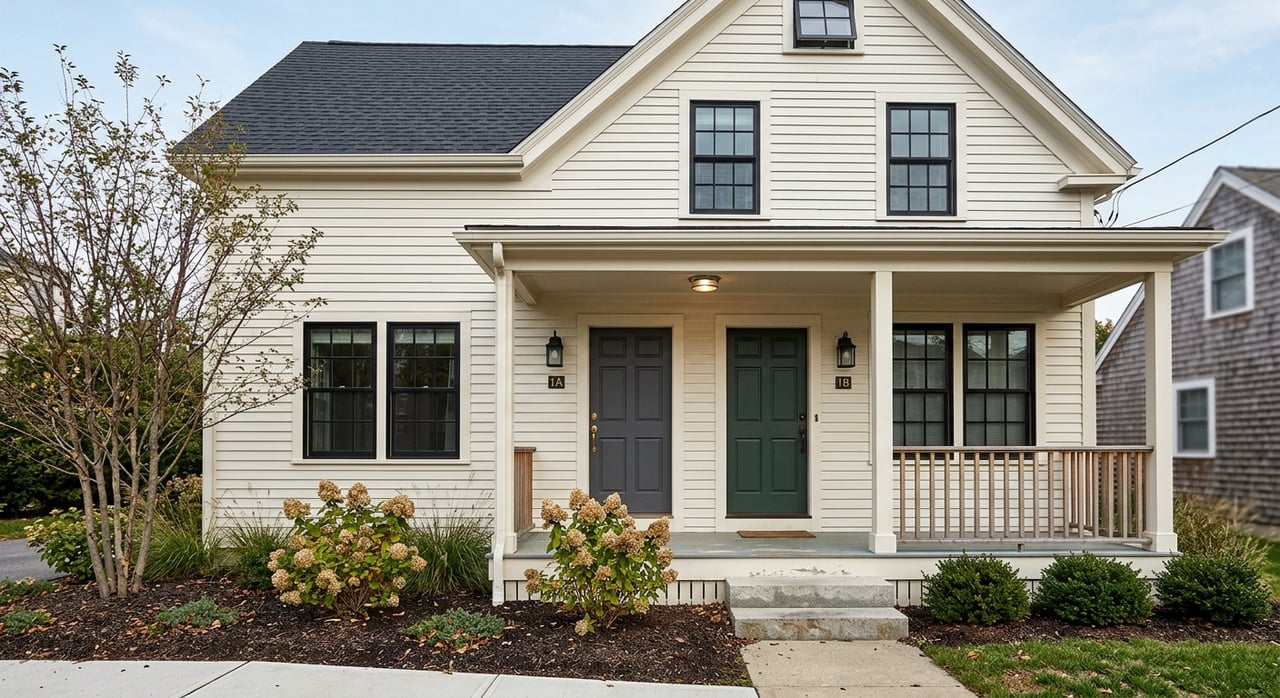
Winchester has about 8,201 housing units, and around 78% are single-family homes. The rest includes two-unit buildings, three- to four-unit buildings, small to mid-scale multifamily properties, and larger multifamily buildings. That does not make Winchester a dense urban market, but it does mean you may find a little more range at the edges of the housing mix.
For buyers, that can matter if you are comparing a classic single-family home against a condo, a smaller multifamily option, or a property closer to the center of town. Winchester still leans heavily single-family, but its housing profile is not quite as narrow.
Lexington leans more heavily single-family
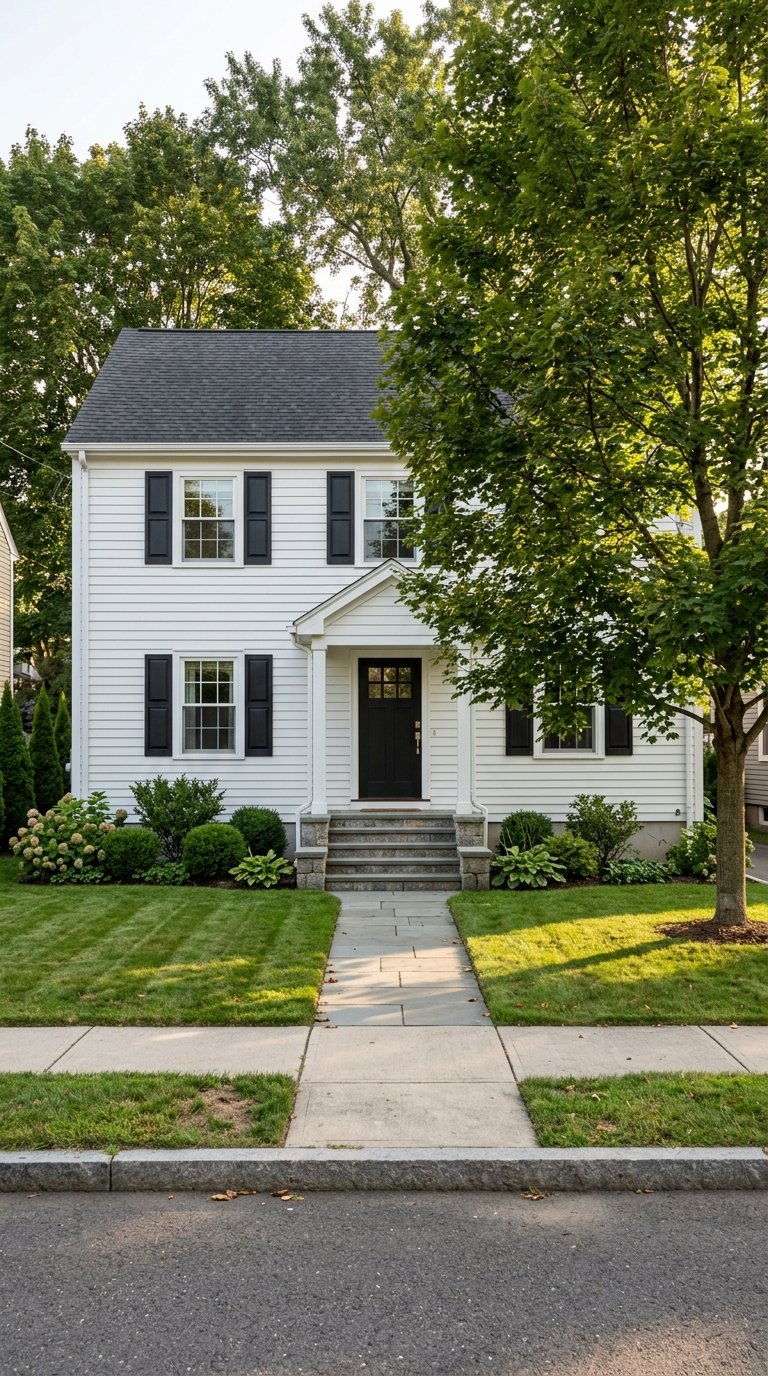
Lexington’s housing stock is even more focused on single-family homes. Its 2025 Housing Needs Assessment says 82% of housing units are single-family, and assessor data show 9,066 single-family homes, 1,141 condos, and 156 two- and three-family homes.
That gives Lexington a more clearly single-family market identity. If your search is centered on detached homes, especially larger ones, Lexington may feel more aligned with that goal.
Newer homes look different in each town
Winchester’s housing stock is mature, with only about 11% built after 2000. The town also added less than 0.1% new housing since 2010, which helps explain why inventory can feel tight.
Lexington also has older housing, but its recent pattern is different. The town’s assessment notes that 14% of the single-family inventory was replaced over the prior twenty years, and one-third of structures were built since 1980. Much of that newer construction came through teardown-and-rebuild activity rather than major increases in density.
Home Prices and Competition
Winchester is generally less expensive
Based on Redfin market snapshots from May 2026, Winchester’s median sale price was $1,386,670. Lexington’s median sale price was $1,848,894. That is a meaningful gap for buyers who are trying to balance monthly cost, down payment, and long-term flexibility.
That does not make Winchester inexpensive. It simply means that, on current market data, it tends to offer a lower price point than Lexington.
Both markets are still competitive
Winchester homes were receiving about four offers on average and selling in around 20 days. Lexington homes were receiving about seven offers on average and also selling in around 20 days.
So if you are hoping one of these towns will feel relaxed or slow-moving, that is probably not the right expectation. In both places, preparation matters. A clear budget, a defined search strategy, and fast decision-making can make a real difference.
Local planning data supports the same story
Winchester’s 2025 Housing Production Plan says the winter and spring 2024 median single-family price was over $1.5 million, while the median condo price was over $750,000. Lexington’s 2025 Housing Needs Assessment says the 2023 median single-family price was $1.6 million and the median condo price was $820,000.
The takeaway is straightforward: both are high-cost markets, but Lexington generally sits higher. If you are comparing value, Winchester may give you a bit more room without moving far from the same general Metro Boston geography.
Town Center and Daily Feel
Winchester feels compact and station-centered
Winchester’s planning materials describe a compact and successful town center, with ongoing attention to parking and pedestrian circulation. The town’s Cultural District framing adds another useful detail: downtown Winchester is organized around the Common, the renovated train-station area, public art, cultural events, the business district, and the Tri-Community Bike Trail.
That often translates into a more village-like feel. If your ideal routine includes being near the station, local businesses, civic spaces, and a compact center, Winchester may stand out.
Lexington feels more historic and destination-driven
Lexington Center is more explicitly shaped around its historic core. Town materials highlight goals that include preserving historical significance while supporting commercial diversity, social and cultural activity, aesthetics, traffic flow, and parking. The Battle Green is a National Historic Landmark, and the Visitors Center sits directly across from it.
In practical terms, Lexington Center often reads as a larger historic and civic-commercial hub. If you are drawn to a center with a strong historic identity and a broader destination feel, Lexington may be a better match.
Commuting and Getting Around
Winchester is the more rail-forward option
If commuter rail access matters to you, Winchester has the clearer advantage. Winchester Center Station is on the MBTA Lowell Line, and the town’s January 2025 update says the station is open for inbound and outbound commuter rail service.
The town also notes that Winchester is about 4.5 miles at its widest point, that many destinations are within 2 to 3 miles of each other, and that 72.3% of households are within a half-mile of transit. For buyers who want transit woven into daily life, that is an important distinction.
Lexington leans more on roads, bus access, and bikeway travel
Lexington’s mobility setup looks different. The town is connected to I-95/128, Route 2, Routes 4/225, and Route 2A. Lexington Center is accessible by car, LexPress, MBTA bus routes 62 and 76, and the Minuteman Bikeway.
The Minuteman Bikeway runs 10 miles from Bedford Center through Lexington Center to Alewife, and the town describes it as paved and level, with use by bicycle commuters and pedestrians. If you like the idea of road access plus bikeway connectivity, Lexington may fit your routine better.
Which Town Fits Different Buyer Priorities?
Choose Winchester if you want these strengths
Winchester may be the better fit if your priorities include:
- A lower current price point than Lexington
- Direct commuter rail access on the Lowell Line
- A compact town center with a station anchor
- Slightly more housing-type variety beyond single-family homes
- A village-style daily feel tied to downtown destinations
Choose Lexington if you want these strengths
Lexington may be the better fit if your priorities include:
- A stronger single-family housing identity
- A market with more teardown-and-rebuild newer-home patterns
- A historic center organized around the Battle Green
- Strong car access and bus connections
- Bikeway access connecting through Lexington Center toward Alewife
A Simple Way to Decide
If you are stuck between the two, try ranking your top three priorities before you tour more homes. For many buyers, the decision gets clearer when you ask a few practical questions.
- Do you want commuter rail access or are bus, bike, and car routes enough?
- Are you looking mainly for a detached home, or do you want some flexibility in housing type?
- Is your budget better aligned with Winchester’s current price point?
- Do you picture yourself in a compact village center or a larger historic civic hub?
These questions can help you move from a vague comparison to a more confident plan.
Why the Right Strategy Matters
Because both Winchester and Lexington remain competitive, the town you choose is only part of the equation. The other part is having a process that helps you act quickly, understand tradeoffs, and stay grounded in your budget and goals.
That is especially important if you are moving up from a condo, relocating into Metro Boston, or trying to balance commute needs with space and long-term value. A clear step-by-step plan can make the search feel much more manageable.
If you want help comparing homes, pricing, and next steps in Winchester or Lexington, Neran Rohra can help you build a smart, steady plan for your move.
FAQs
Is Winchester or Lexington more expensive for homebuyers?
- Based on May 2026 Redfin data, Lexington had a higher median sale price than Winchester, with Lexington at $1,848,894 and Winchester at $1,386,670.
Is Winchester or Lexington better for commuter rail access?
- Winchester is the more commuter rail-oriented option because Winchester Center Station is on the MBTA Lowell Line and the town has a strong transit-access profile.
Does Lexington have more single-family homes than Winchester?
- Yes. Lexington’s housing stock is more heavily single-family, with 82% of housing units classified as single-family compared with about 78% in Winchester.
Does Winchester offer more housing variety than Lexington?
- Slightly. Winchester still leans strongly single-family, but it includes a somewhat broader mix of two-unit, small multifamily, and larger multifamily housing types.
Is Lexington or Winchester better for bike access?
- Lexington stands out for bikeway access because the Minuteman Bikeway runs through Lexington Center toward Alewife, while Winchester’s bike and walking network is tied more closely to its compact center and Tri-Community Greenway.
Which town center feels more walkable, Winchester or Lexington?
- Winchester’s center is more compact and closely tied to the station area, while Lexington Center functions more as a historic civic and commercial hub. The better fit depends on the kind of daily environment you prefer.