If you are thinking about buying a condo in Somerville, one question usually comes up fast: which area actually fits your day-to-day life? In a small, dense city with more than 20 squares, the condo market can feel very different from one part of Somerville to the next. The good news is that once you understand how the city is laid out, it becomes much easier to narrow your search and focus on the areas that match your commute, lifestyle, and priorities. Let’s dive in.
Why Somerville condos feel so location-specific
Somerville is a compact city of just over four square miles, and the city notes that its many squares help define local identity and neighborhood boundaries. Its housing stock also varies block by block, from apartment buildings and triple-deckers to single-family homes and condominiums, which helps explain why the condo market does not feel uniform citywide. You can read more in the city’s overview of Somerville.
That local variation matters when you are buying. In some areas, condos are more likely to be in older multifamily buildings that were converted over time. In others, you are more likely to see newer mixed-use development tied to major planning and transit investment.
The city’s housing profile also reinforces how urban the market is. According to U.S. Census QuickFacts for Somerville, the owner-occupied rate is 34.2% and the median owner-occupied housing value is $911,300. Somerville also has a condominium review process that affects condo conversions, which is one reason the condo inventory often includes a mix of renovated older properties and newer projects.
The two main Somerville condo types
A simple way to think about Somerville condos is to picture two overlapping markets.
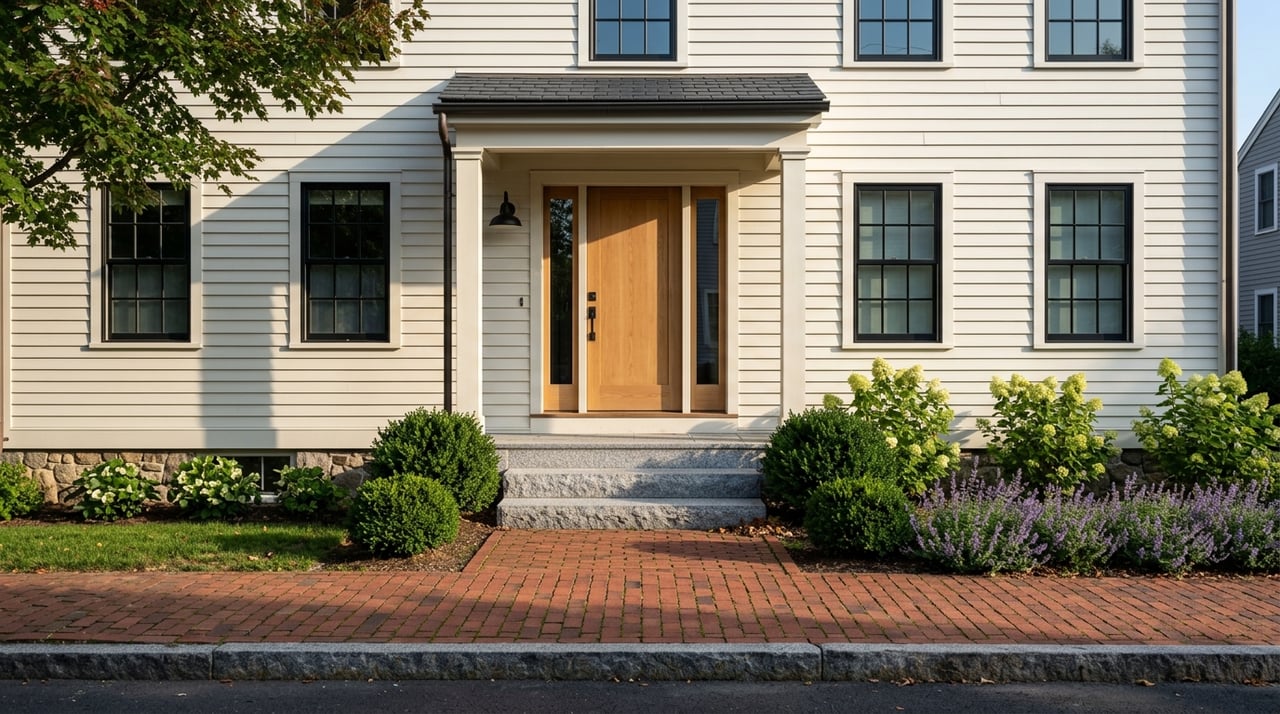
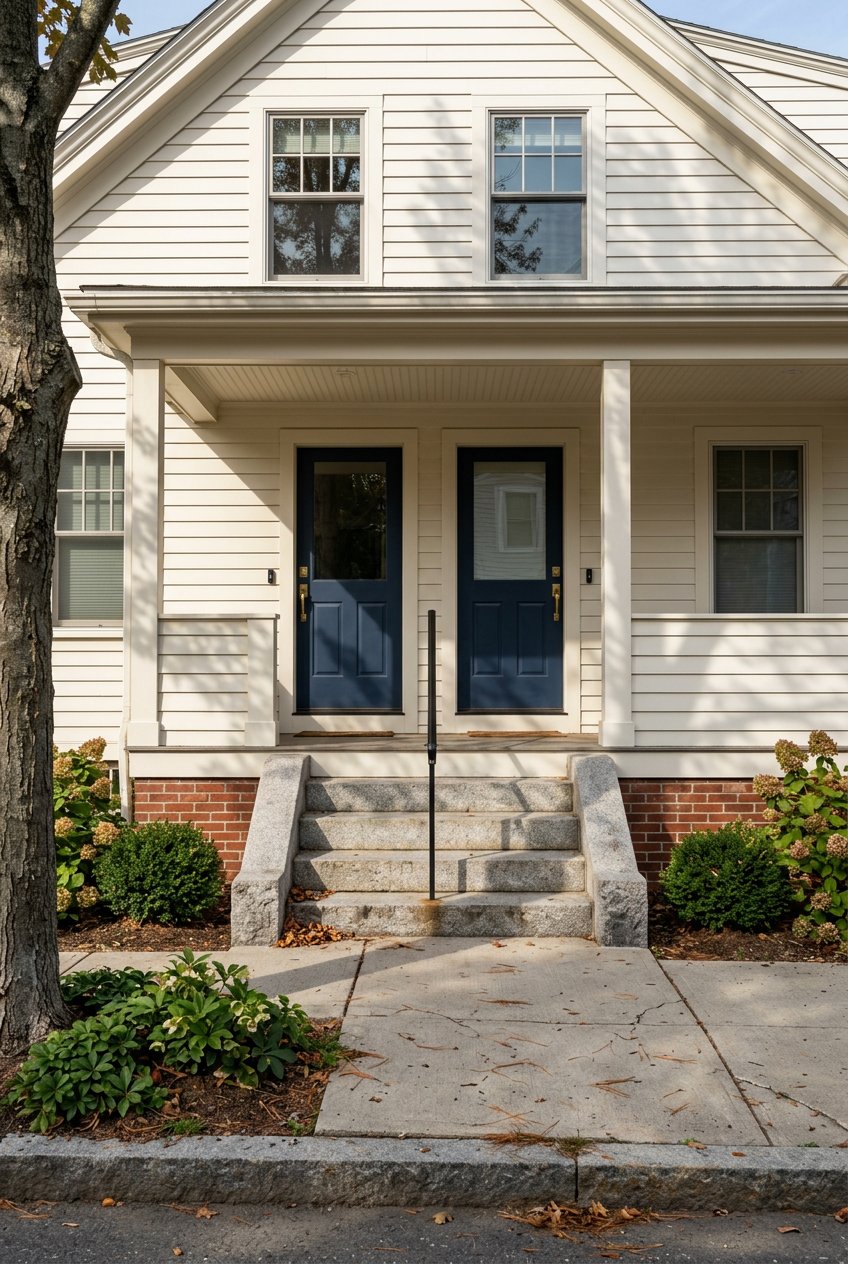
First, you have older conversion condos in established squares. These are often located in traditional multifamily buildings and can appeal to buyers who want a classic Somerville setting, a central location, and easy access to neighborhood businesses and transit.
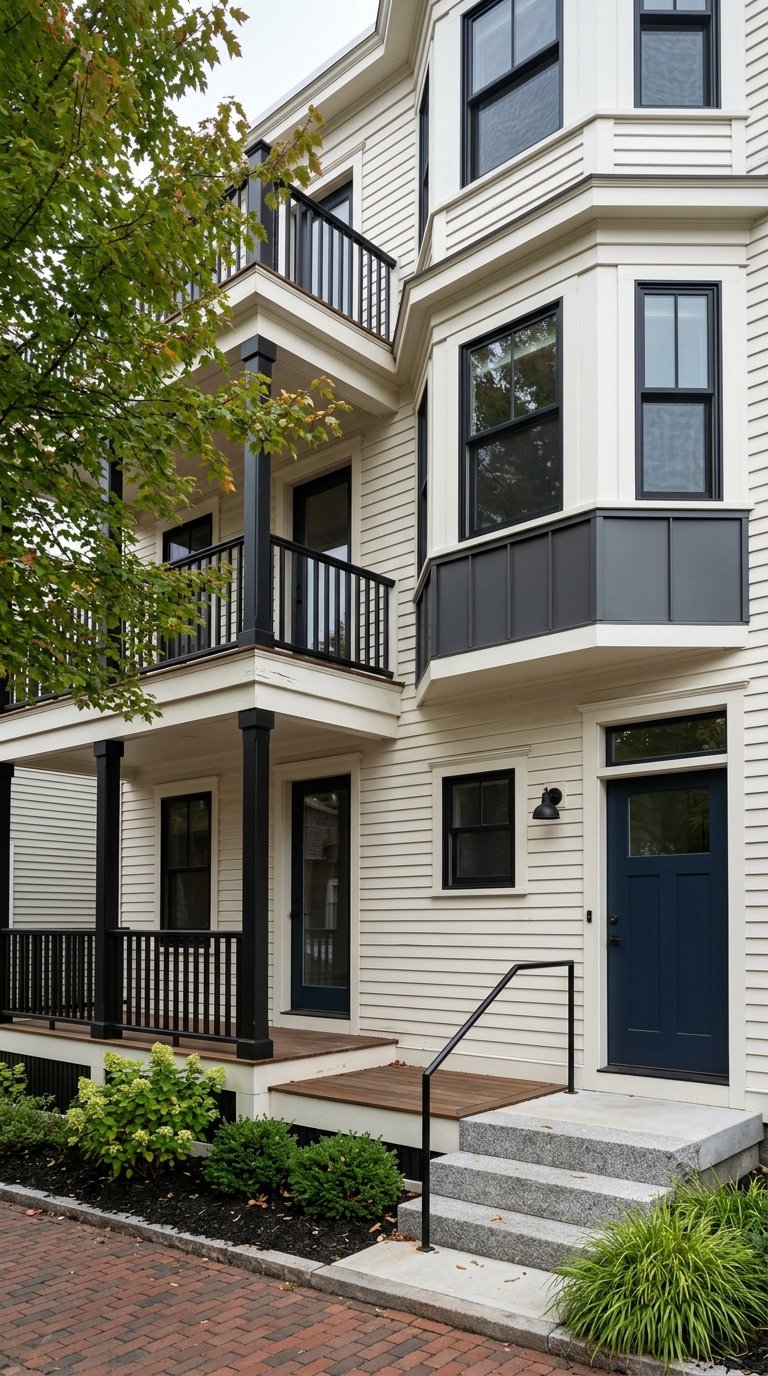
Second, you have newer mixed-use or mid-rise condos in growth areas tied to recent redevelopment. These areas often come with newer building forms, updated public spaces, and strong transit connections. In practical terms, your decision may come down to whether you value established character, newer construction, or some balance of both.
Davis Square and west-side access
Davis Square is one of Somerville’s best-known transit anchors. The city reports that the Red Line station handled roughly 12,000 weekday boardings before the pandemic, making it a major connection point for the west side. You can review the transit context on the city’s transportation and infrastructure page.
For condo buyers, Davis often represents an established, built-out market rather than a blank slate for large-scale change. City planning work has focused on the core commercial area and envisioned modest mid-rise infill instead of large high-rises. That gives this part of Somerville a more mature feel if you want a neighborhood with long-established transit access and an active commercial center.
Porter Square, while outside Somerville’s boundary, also supports the west side with another Red Line access point nearby. If your search is centered on convenience, public transit, and a location that feels connected to daily errands and commuting, this part of the city often stands out.
What this area may suit
If you are drawn to an established transit-centered location, Davis and the west side may be a strong fit. This area can make sense if your priorities include:
- Red Line access
- A mature, built-up neighborhood pattern
- Walkable access to shops, dining, and everyday needs
- A condo search focused more on location than large-scale new development
Union Square and redevelopment energy
Union Square is one of Somerville’s most active redevelopment areas. The neighborhood plan was adopted in 2016 to examine growth opportunities ahead of the Green Line Extension, and a 2023 redesign plan for the plaza and surrounding streets proposed adding more than 1.3 acres of new open space. The Union Square planning page gives helpful background on that evolution.
For you as a buyer, Union Square can feel like a district in transition, in a positive and very visible way. New mixed-use housing, public-space improvements, and changing streetscapes all shape how the area functions today and how it may continue to evolve. If you like the idea of buying in a place where city investment and redevelopment are part of the story, Union is often worth a close look.
This does not mean every condo will be new construction. It means the broader area is being shaped by planning changes, public-space upgrades, and transit-oriented growth. That can appeal to buyers who want a neighborhood with momentum.
What this area may suit
Union Square may be worth focusing on if you want:
- A neighborhood shaped by ongoing redevelopment
- Mixed-use housing near an active commercial district
- Public-space improvements and evolving streetscapes
- A location tied closely to transit growth
Ball Square, Magoun Square, Gilman Square, and East Somerville
If you want a clearer example of transit-oriented growth, this group of neighborhoods is especially important. The Green Line Extension’s Medford Branch opened on December 12, 2022, including stations at East Somerville, Gilman Square, Magoun Square, and Ball Square. The Community Path Extension then opened on June 10, 2023, adding another major mobility link along the corridor. These changes are documented in the Ball and Magoun Square planning study and the city’s transit materials.
The planning language here is useful because it gives a real sense of how these areas are intended to function. Ball Square is described as a living-and-dining center with mixed-use buildings that combine housing with amenities like a grocery store and gym. Magoun Square is described as an arts-and-culture center, and the study notes that development was meant to orient residential uses toward transit.
East Somerville has also been shaped by planning priorities that include pedestrian improvements, small business support, civic spaces, housing choice, and arts and culture. For condo buyers, that combination can translate into neighborhoods where mobility, mixed-use activity, and local commercial life are all part of the experience.
What this area may suit
This part of Somerville may be a fit if you are looking for:
- Green Line access in multiple locations
- Newer transit-driven growth patterns
- Walkability supported by the Community Path Extension
- A mix of established buildings and evolving development areas
Assembly and newer condo product
Assembly is the city’s largest-scale growth area and the part of Somerville most closely associated with newer condo product. According to a 2025 city planning update on Assembly Square, the roughly 140-acre East Somerville site could add about 2,900 to 5,700 residential units and is centered on walkable mixed-use development, public space, mobility, and Orange Line access.
The city also describes Assembly Row as a live-work-play destination that opened in 2014. For buyers, that usually means a very different condo search experience from what you might find in older conversion-heavy parts of Somerville. If you want a location closely tied to large-scale planning, contemporary building forms, and major mixed-use development, Assembly is often the clearest example.
This area can be especially helpful to compare against the rest of the city because it highlights Somerville’s newer-construction side. If Davis suggests an established transit core and Union suggests redevelopment momentum, Assembly points most clearly to larger-scale new development.
What this area may suit
Assembly may be a strong match if you want:
- Orange Line access
- A large mixed-use district
- Newer building stock or newer-feeling development patterns
- Public space and walkability integrated into a master-planned area
What condo living in Somerville often feels like
In Somerville, condo living is often shaped by transit and walkability first. The city highlights 14 bus routes, Red, Orange, and Green Line access, and more than 30 miles of bike paths. The transportation and infrastructure page also notes the Community Path Extension connection from Lowell Street to Cambridge Crossing.
That matters because your daily routine here often revolves around squares rather than isolated residential subdivisions. Walking to coffee, groceries, restaurants, or transit can be part of normal daily life. In many parts of the city, mixed-use streets are not a bonus feature. They are central to how the neighborhood works.
The building style also affects the feel of ownership. Some condos are in converted older multifamily properties, which may offer character and a very established setting. Others are part of newer redevelopment districts, which may feel more contemporary in layout and site planning.
How Somerville compares nearby
Somerville is often compared with nearby communities, but its housing profile is distinct. The Census QuickFacts data shows Somerville’s owner-occupied rate at 34.2%, compared with 33.5% in Cambridge, 54.1% in Medford, and 61.6% in Arlington. That supports the idea that Somerville belongs to a more urban, condo- and apartment-oriented part of the region.
Median owner-occupied housing values also help frame the market. Somerville is listed at $911,300, Cambridge at $1,092,100, Arlington at $933,800, and Medford at $755,500. In practical terms, Somerville sits in a similar broad value tier to Cambridge and Arlington, while offering a denser and more transit-centered condo landscape than nearby suburban communities.
How to narrow your condo search
If you are feeling stuck between several Somerville areas, it helps to simplify your decision around daily priorities instead of trying to evaluate the whole city at once.
Ask yourself:
- Do you want the most established transit core? Start with Davis and the west side.
- Do you want redevelopment energy and public-space change? Focus on Union Square.
- Do you want Green Line Extension growth areas? Look closely at Ball, Magoun, Gilman, and East Somerville.
- Do you want larger-scale newer development? Assembly may be the best place to start.
That kind of framework can make the process feel much more manageable. Instead of asking which area is best overall, you can ask which area best supports the way you want to live.
Buying a condo in Somerville usually comes down to understanding tradeoffs clearly. Some buyers prioritize an established square and classic housing stock. Others want a newer mixed-use district tied to major infrastructure and planning changes. If you want a steady, step-by-step way to compare your options and build a plan around your budget, commute, and long-term goals, Neran Rohra is here to help.
FAQs
What makes Somerville condos feel different from one area to another?
- Somerville has more than 20 squares, a very dense urban layout, and a mix of older housing stock and newer redevelopment areas, so condo options can vary a lot by location.
Which Somerville area is most associated with newer condo development?
- Assembly is the area most closely tied to larger-scale newer condo product and mixed-use growth, with planning centered on walkability, public space, mobility, and Orange Line access.
Which Somerville neighborhoods are tied to Green Line Extension growth?
- East Somerville, Gilman Square, Magoun Square, and Ball Square are the key areas most directly linked to Green Line Extension growth and the Community Path Extension.
What is the appeal of Davis Square for Somerville condo buyers?
- Davis Square offers a well-established transit-centered setting on the Red Line, a mature commercial core, and a built-out neighborhood feel rather than large-scale new high-rise development.
Is Union Square a good area to consider for a Somerville condo search?
- Union Square stands out for redevelopment activity, mixed-use growth, and planned public-space improvements, which can appeal if you want a neighborhood with visible momentum and change.
How urban is the Somerville condo market compared with nearby towns?
- Census data shows Somerville has a lower owner-occupancy rate than places like Medford and Arlington, which supports its more urban, condo- and apartment-oriented housing profile.