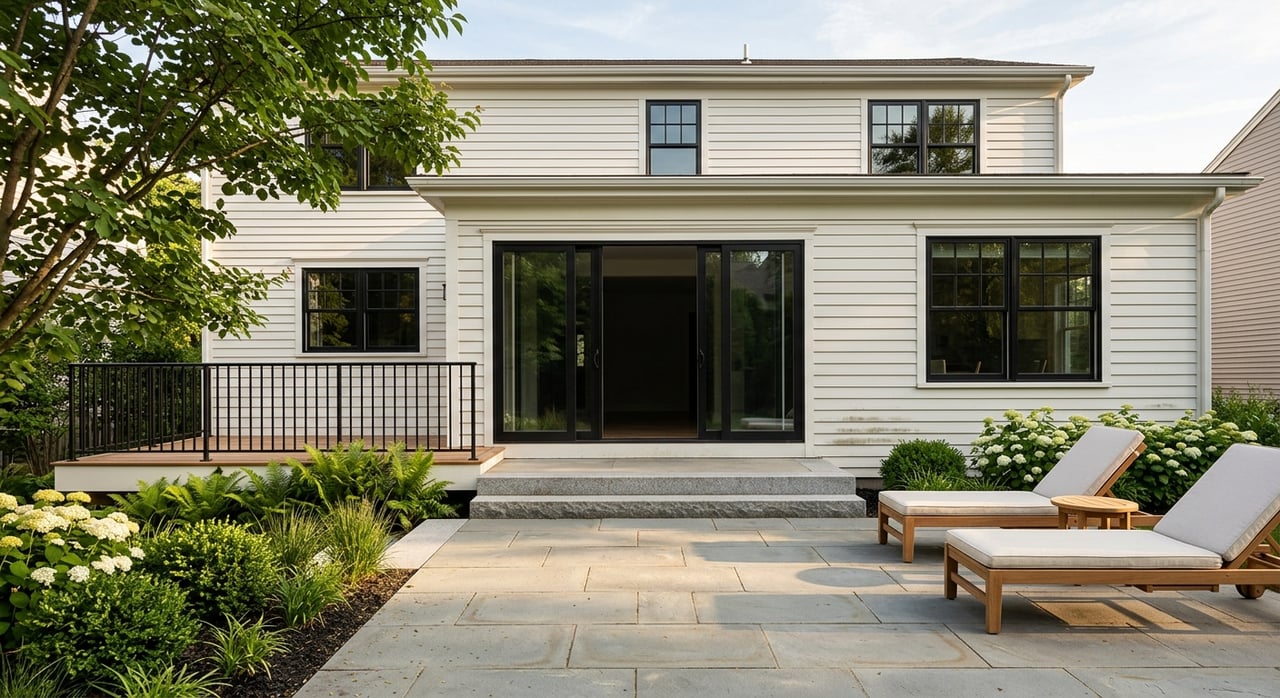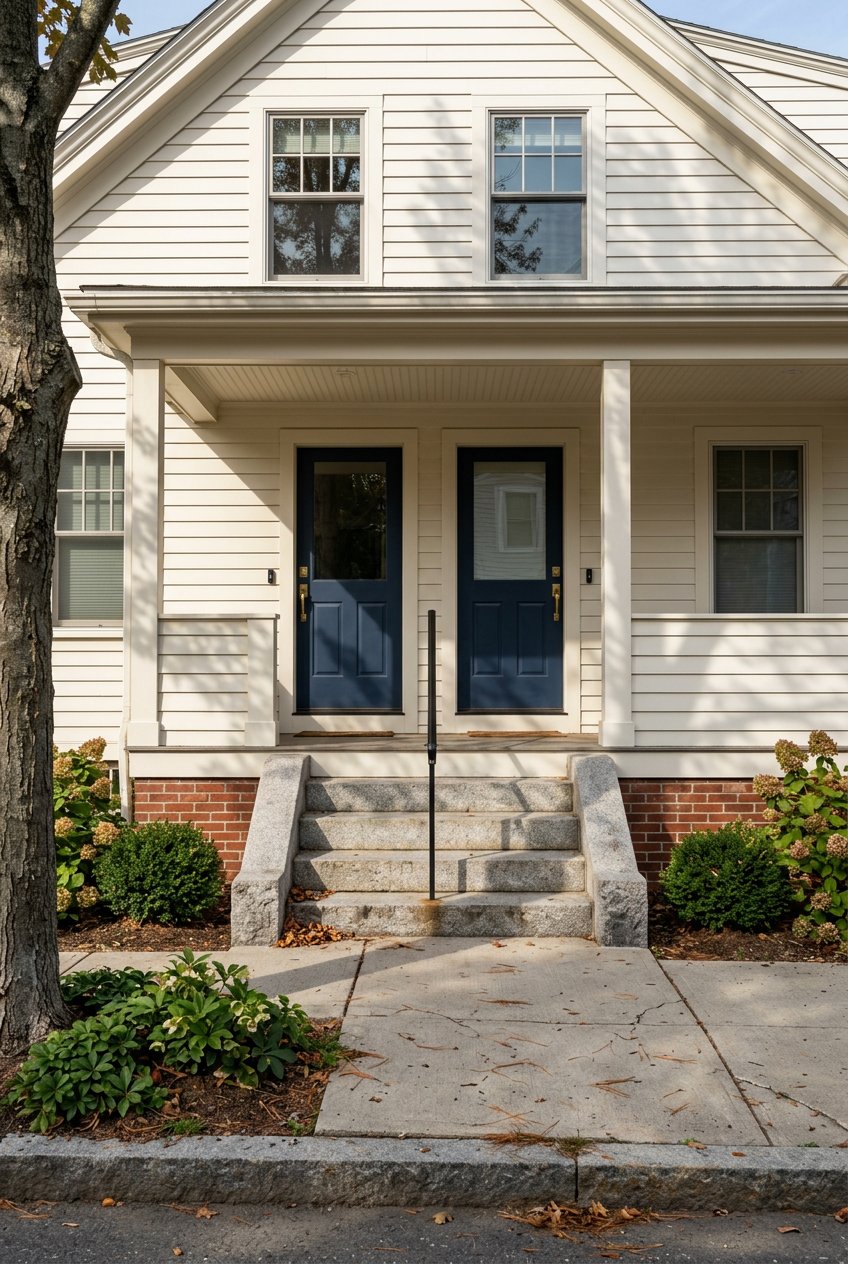
Should you buy a condo or a single-family house in Arlington? It is a big decision, and the right answer depends on your budget, lifestyle, and tolerance for maintenance. If you are weighing cost, commute, and day-to-day living, a clear side-by-side can make the choice much easier. In this guide, you will compare real numbers, understand what fees actually cover, and see how Arlington’s neighborhoods and transit shape daily life. Let’s dive in.
Arlington market snapshot
Arlington offers both condo and single-family options at different price points. According to the December 2025 local market report, the median sale price was about $960,000 for single-family homes and $737,500 for condos. That gap often puts condos within reach for first-time buyers while single-family homes fit move-up goals.
The market remains active. Recent monthly snapshots show homes moving quickly, with many selling in just a few weeks. If you plan to buy this season, have your financing and strategy ready.
Total cost: beyond the list price
Price is only part of the picture. Compare your ongoing costs line by line so you see the true monthly difference.
Property taxes in Arlington
Arlington’s FY 2026 residential tax rate is $10.67 per $1,000 of assessed value, as listed by the Town Assessor. You can estimate annual taxes with a simple formula: (price ÷ 1,000) × 10.67. Always confirm the actual assessed value for the specific property with the Town Assessor.
Worked example using recent medians:
- Single-family at $960,000: about $10,243 per year, or about $854 per month.
- Condo at $737,500: about $7,872 per year, or about $656 per month.
Condo HOA fees: what they cover
Many Arlington condos charge monthly fees in roughly the $300 to $550 range, based on recent listing samples in town. What you get for that fee varies by building. Common inclusions are exterior and roof maintenance, snow removal, landscaping, building insurance on a master policy, common-area cleaning, and sometimes water, sewer, heat, or hot water. Ask for a detailed list of what is covered, since fees that include utilities can offset your separate monthly bills.
Insurance: condo vs. single-family
Condo owners typically carry an HO-6 policy that covers interior finishes, improvements, personal property, and liability. The association’s master policy covers common elements. Single-family owners carry a broader homeowner policy, like an HO-3 or HO-5, that covers the full structure and liability. For a quick refresher on policy types and coverage boundaries, review this overview of homeowner insurance policy types.
Tip: For condos, ask the association for the master-policy declarations so your agent can tailor the HO-6 boundaries and loss-assessment coverage.
Maintenance and capital risk
- Condos: The association manages the exterior and common systems. Your risk shows up through monthly fees and possible special assessments. Massachusetts’ Condominium Act explains how associations operate and assess owners. You can read the law here: Massachusetts Condominium Act, Chapter 183A.
- Single-family homes: You carry full responsibility for the roof, exterior, major systems, and yard. A common planning rule is to set aside about 1 percent of the home’s value per year for maintenance and repairs. See a plain-language explainer on the true cost of homeownership and the 1 percent rule.
Quick monthly snapshot (non-mortgage)
- Single-family example: about $854/month in taxes, plus homeowner insurance and a separate maintenance budget.
- Condo example: about $656/month in taxes, plus HOA fees that often land between $350 and $450, plus condo unit insurance.
Here is a simple way to compare:
| Cost item | Condo (median $737.5K) | House (median $960K) |
|---|---|---|
| Property tax (monthly) | ~ $656 | ~ $854 |
| HOA fee | Often $300–$550 | N/A |
| Insurance | HO-6 policy | HO-3/HO-5 policy |
| Maintenance | Mostly via HOA; watch for assessments | Budget about 1%/year |
Totals vary by building and policy. The key is to price out the same line items for each property you like.
Commute and neighborhood tradeoffs
Arlington does not have a subway station in town. Most commuters connect to the Red Line at Alewife, or take MBTA buses to Harvard or Lechmere. The Minuteman Bikeway offers a direct bike-and-walk route to Alewife from East Arlington.
- Major MBTA routes serving Arlington include the 62, 67, 76, 77, 78, 79, 80, 84, 87, 350, and 351. The 77 runs along Massachusetts Ave to Harvard Square. See the town’s summary of routes in the Getting Around Arlington guide.
Neighborhood notes to consider as you compare properties:
- East Arlington offers strong access to Alewife and the Minuteman Bikeway, with a mix of condos and single-family homes.
- Arlington Center and Arlington Heights have walkable shops and a range of housing types.
- West side and Robbins Farm areas skew more single-family in feel.
When a condo puts you steps from a frequent bus or the Bikeway, the daily convenience can be worth more than extra square footage farther away.
What you will find in Arlington listings
Town housing plans show a balanced mix of ownership and rental across single-family, two-family, and multi-unit buildings, with many condo conversions over time. About 60 percent of units are owner occupied. For context, see the town’s housing plan and fair-housing overview.
- Single-family homes: Classic New England styles are common, with modest lot sizes typical of inner-core suburbs. Many buyers prioritize yard space, a garage, and the option to expand over time.
- Condos: You will see converted units in older multi-families, mid-century elevator buildings with 1–2 bedroom floor plans, and newer townhouse-style developments.
Financing and due diligence: key differences
Condo lending: project eligibility
Many lenders review the entire condo project before approving a unit. Documentation can include budgets, reserves, insurance, rental ratios, and delinquency rates. If you plan to use a conventional loan, ask your lender early about project eligibility under Fannie Mae and Freddie Mac standards. For an accessible summary, see general information on condo project standards.
Common red flags that can slow or block financing include low reserves, high special-assessment history, a high investor share, or pending litigation. Get answers before you write an offer.
Condo documents to request
- Master deed, bylaws, rules, and recent meeting minutes
- Current budget, last three years of financials, and any reserve study
- Master-insurance declarations page and deductible summary
- Owner-occupancy and delinquency rates
- List of planned capital projects and any approved special assessments
- The Chapter 183A 6(d) certificate for closing, which confirms common fees are paid
Cite Chapter 183A in your request so the seller and association know you are focused and thorough.
Single-family due diligence
For houses, your focus shifts to the structure and systems. Ask for a list of upgrades and ages for the roof, HVAC, water heater, and electrical service. Verify building-permit history and confirm there are no open permits. You can review assessor records for background and contact the Department of Public Works for water and sewer information. Start with the Town Assessor and the Public Works page for local records and contacts.
How to decide: a simple framework
Set your target budget using recent medians. The latest MAR report shows condos typically trading below single-family homes in Arlington, which expands entry options for many first-time buyers.
Build a monthly cost model for each property you like:
- Taxes: apply the town formula using the current rate.
- HOA (condo): list what is included and what is not.
- Insurance: HO-6 vs. HO-3/HO-5 based on property type.
- Maintenance: plan for assessments in condos and use the 1 percent rule for houses.
Map your commute and daily routine. Visit during rush hour and try the bus or Bikeway if you can. Proximity to Massachusetts Ave routes or the Minuteman often changes the calculus.
Check the documents. For condos, request financials, reserves, insurance, and 6(d). For houses, verify permits and system ages before you waive or shorten contingencies.
Confirm financing fit with your lender. Ask about condo project eligibility or whether a different loan type is a better match.
Who tends to choose what
- A condo may fit you if you want lower entry price, prefer low exterior maintenance, and value transit access near Massachusetts Ave or the Minuteman Bikeway.
- A single-family may fit you if you want private yard space, a garage, and long-term flexibility to expand, and you are comfortable setting aside funds for maintenance.
The best choice is the one that supports your budget, commute, and day-to-day life without stress.
Ready for a local plan?
If you want a clear, step-by-step path tailored to your budget and timeline, let’s build it together. Reach out to Neran Rohra to compare real listings side by side and make a confident move in Arlington.
FAQs
What are the typical condo HOA fees in Arlington, MA?
- Many Arlington condos show monthly fees in the $300 to $550 range, depending on building age, amenities, and whether utilities like heat or hot water are included.
How do I estimate Arlington property taxes before I offer?
- Use the town’s FY rate and the formula (price ÷ 1,000) × 10.67 to estimate, then confirm the actual assessed value and exemptions with the Town Assessor.
What condo documents should I review before buying in Arlington?
- Ask for the master deed, bylaws, rules, meeting minutes, current budget, recent financials, reserve study, master-insurance declarations, owner-occupancy and delinquency data, planned projects, and the 6(d) certificate per Chapter 183A.
How do lenders evaluate condos for financing in Massachusetts?
- Lenders often perform a project review that checks reserves, insurance, rental ratios, and any litigation. Confirm project eligibility under Fannie Mae and Freddie Mac standards before you write an offer.
What maintenance budget should I plan for a single-family home in Arlington?
- A common rule is to set aside about 1 percent of the home’s value per year for maintenance and repairs, adjusting for age, condition, and recent upgrades.
What Arlington transit options matter most for commuters?
- Many residents connect to the Red Line at Alewife via MBTA bus routes like the 77, or bike the Minuteman to Alewife. The town’s Getting Around guide shows key routes and connections.