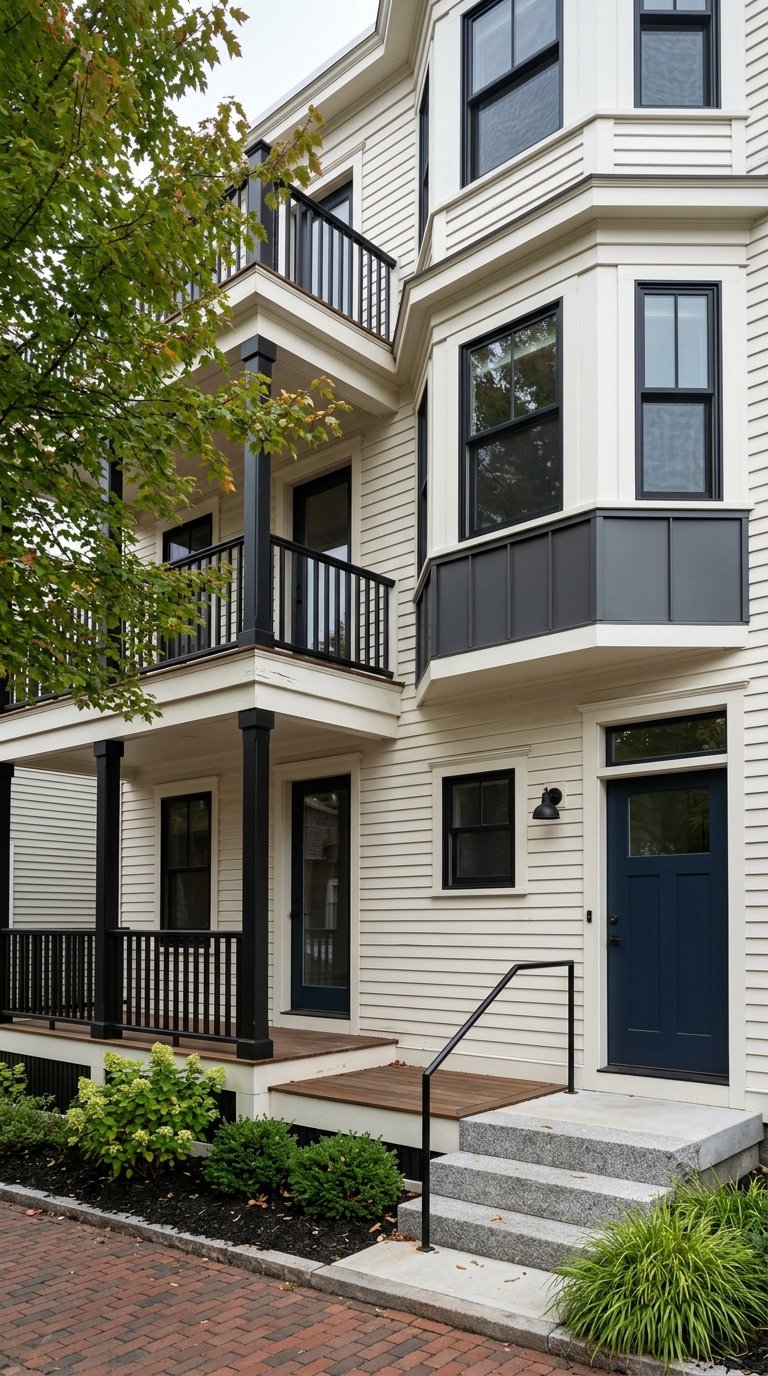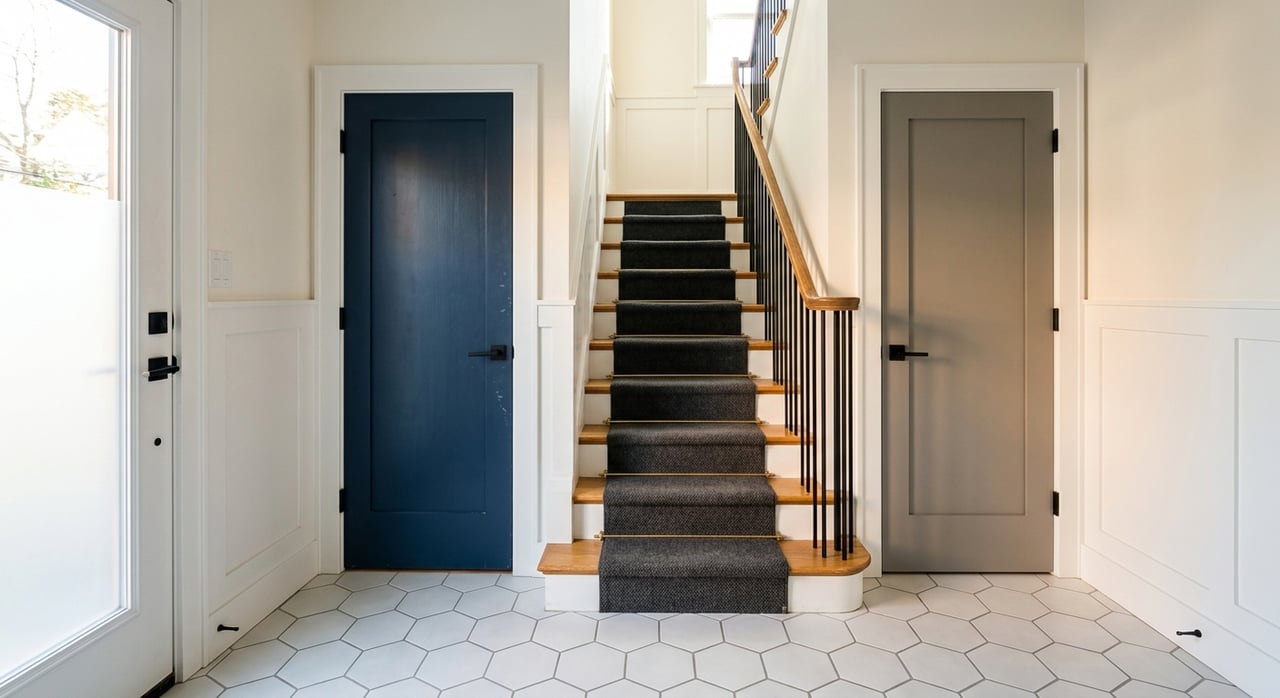
If you are thinking about buying a multi-family home in Woburn, the opportunity can be exciting and complex at the same time. You may be looking for a place to live in one unit while renting the others, or you may simply want a property with income potential and long-term flexibility. The key is understanding the local rules, financing options, and due diligence steps before you commit. Let’s walk through the process step by step.
Know what “multi-family” means in Woburn
One of the first things to clarify is that zoning language and lending language are not always the same. In Woburn zoning, a multi-family dwelling is defined as a structure with three or more dwelling units. In financing conversations, buyers often hear duplexes, triplexes, and four-unit homes grouped together as small multi-unit residential properties.
That difference matters because a property may be discussed one way by a lender and another way by the city. Before you rely on a listing description, confirm how the property is legally configured. This helps you avoid surprises around permitted use, future renovations, or occupancy plans.
Check zoning before making an offer
In Woburn, the zoning code is the starting point for confirming whether a property is legally set up as a multi-family building. The city’s use table marks uses as by-right, special-permit, or prohibited, and the Building Commissioner is responsible for enforcing and interpreting the zoning ordinance.
You will also want to see whether the property sits in a district with added rules or opportunities. Woburn’s MBTA overlay district allows non-age-restricted multi-family housing as of right, subject to site plan review by the Planning Board. If a property falls in or near an overlay area, that can affect what is possible now and later.
A smart early checklist includes:
- Confirming the parcel’s zoning district
- Verifying the legal unit count
- Checking for any overlay district status
- Reviewing whether the property may be nonconforming
- Matching the listing details to city records
Before you make an offer, you can also review parcel details through Woburn’s assessor database and WebGIS tools. The city notes that its Engineering Department maintains assessor maps, plot plans, utility records, and public GIS information.
Understand your financing path early
Your financing strategy depends on how you plan to use the property. If you plan to live in one unit, your loan options may look very different from those for a larger investment-only building.
For many owner-occupants, FHA financing is an important starting point. FHA loans can be used for one- to four-family homes, and the down payment can be as low as 3.5%. That can make a two-, three-, or four-unit purchase more accessible than many buyers expect.
That said, lower-down-payment loans often come with mortgage insurance, which increases your monthly cost. When you compare loan options, look at the full payment, not just the interest rate or minimum down payment.
Learn how rental income is evaluated
If you are buying a two- to four-unit home and plan to live in one unit, lenders may allow some rental income from the other units to help you qualify. But they usually require documentation, and they do not simply accept a rough estimate.
Depending on the loan file, lenders may review appraisals, lease agreements, and tax returns. They may also use the current rent roll and existing leases to support the income calculation. In general, the income from the unit you plan to occupy is not counted toward qualification, except in limited situations.
This is one reason it helps to speak with a lender early. A pre-approval for a single-family home is not always enough to fully evaluate a multi-family purchase.
Separate small multi-units from larger apartment buildings
Not every income property falls into the same category. A one- to four-unit property is often treated as a residential purchase for financing purposes, especially if you will live in one unit. A building with five or more residential units typically moves into a different multifamily financing category.
That distinction affects the loan process, underwriting, and often the overall buying strategy. If you are comparing a three-family home with a larger apartment-style building, make sure you are evaluating apples to apples.
Analyze the property like both a home and an asset
A multi-family purchase should work on two levels. It needs to fit your day-to-day housing needs, and it also needs to make sense as an income-producing property.
That means your budget should go beyond the mortgage payment. You will want to account for repairs, property taxes, insurance, closing costs, moving costs, and any improvements needed after closing. If you are counting on rental income to offset your monthly cost, use conservative assumptions.
A practical review should include:
- Current rent roll
- Lease start and end dates
- Security deposit details
- Vacancy assumptions
- Utility responsibilities
- Maintenance and repair needs
- Whether any units will be occupied at closing
These details help you understand the building’s real carrying costs. They also help your lender document income if the property is owner-occupied and financed as a two- to four-unit home.
Review Woburn property tax treatment
Taxes are another area where details matter. Woburn’s FY2026 tax rate is $9.15 per $1,000 of assessed value for residential property. The city’s listed rate for commercial, industrial, and personal property is $21.43 per $1,000.
For buyers, the practical takeaway is simple: do not assume every income-producing property will be treated the same way. Woburn’s Assessing Department separately tracks commercial, industrial, and apartment-related property information, including operating data for some property types. If you are considering a larger apartment property or a mixed-use building, confirm the classification before relying on projected expenses.
If a property appears to be classified incorrectly, Massachusetts allows taxpayers to seek an abatement in cases involving improper classification in communities with multiple tax rates. That does not replace upfront due diligence, but it shows why classification review belongs on your checklist.
Inspect the building with a wider lens
A standard home inspection is important, but multi-family buyers often need a broader due diligence approach. Older systems, shared utilities, deferred maintenance, and tenant-occupied units can all change the inspection picture.
You may also want to confirm flood-zone and plot-plan information through Woburn’s Engineering Department. The city notes that some flood-zone questions may require a survey and elevation certificate, so it is worth checking this early if the location raises concerns.
If you are looking at an occupied building or suspect housing code issues, Woburn’s Board of Health may also be relevant. The department handles housing inspections, which can provide another layer of local due diligence beyond a private inspection.
Check permits and post-closing plans
If you expect to renovate after closing, do not wait until ownership to look into permits. Woburn’s Inspectional Services handles building, plumbing, and electrical permits, and permit applications require a Treasurer/Collector certification with the parcel ID, owner name, and property address.
That may sound like a small detail, but it can affect your project timeline. If your plan depends on upgrades, reconfiguring space, or legalizing work that was done in the past, research the permit history and approval path before you buy.
Prepare for smoke, CO, and lead requirements
Woburn has an easy-to-miss closing item that matters in residential transfers. The Fire Department says a seller needs a certificate of compliance showing that smoke and carbon monoxide alarms meet sale-or-transfer requirements.
If the home was built before 1978, lead law should also be part of your pre-closing review. Massachusetts requires lead-risk notification in the sale and rental of pre-1978 homes. For a multi-family buyer, this is especially important if you plan to rent units, renew leases, or make occupancy changes after closing.
Follow a clear buying sequence
When you buy a multi-family home in Woburn, a clear order of operations can help you avoid expensive mistakes. The process usually works best when you verify legal status first, line up financing second, and then move into financial and physical due diligence.
A practical step-by-step approach looks like this:
- Confirm the legal unit count, zoning district, and any overlay or nonconforming status.
- Speak with a lender about whether the property will be owner-occupied or investment-only.
- Gather leases, rent roll, utility bills, and realistic operating expenses.
- Order inspections and review flood-zone, plot-plan, and permit history where relevant.
- Verify smoke and CO compliance and check any lead-law obligations before closing.
This structure keeps the big questions in the right order. It also gives you a stronger foundation for pricing, negotiation, and planning your next steps after closing.
Why guidance matters in Woburn
Buying a multi-family home is rarely just a standard home purchase. You are evaluating legal use, financing, income potential, taxes, and building condition all at once. In a market like Woburn, that means the strongest buyers are usually the ones who stay organized and make decisions with good information.
A calm, step-by-step process can make a big difference. When you know how to verify the unit count, review leases, ask the right zoning questions, and plan for local closing requirements, you can move forward with much more confidence.
If you want a clear strategy for buying a multi-family property in Woburn or anywhere in Metro Boston, connect with Neran Rohra for personalized guidance.
FAQs
What counts as a multi-family home in Woburn?
- In Woburn zoning, a multi-family dwelling is a building with three or more dwelling units in one structure, even though lenders may discuss two- to four-unit homes together for financing purposes.
Can you buy a Woburn multi-family with FHA financing?
- Yes, FHA loans can be used for one- to four-family homes, and the down payment can be as low as 3.5% if you qualify.
Can rental income help you qualify for a Woburn multi-family loan?
- Yes, for a two- to four-unit principal residence, lenders may count rental income from the other units if it is properly documented through items such as leases, appraisals, or tax returns.
What Woburn records should you check before buying a multi-family property?
- You should review zoning, legal unit count, assessor records, parcel details, permit history, and any relevant GIS or flood-zone information before moving forward.
What local closing requirement applies to Woburn home sales?
- Woburn requires a certificate of compliance showing that smoke and carbon monoxide alarms meet sale-or-transfer requirements.
What should you review if the Woburn multi-family was built before 1978?
- You should confirm that the required Massachusetts lead-risk notification has been provided and understand any follow-up obligations that may apply if you plan to rent the property.
How are property taxes different for Woburn multi-family and apartment properties?
- Smaller residential properties may be taxed at the residential rate, while larger apartment or mixed-use properties may be treated differently, so you should confirm classification with the city before relying on projected numbers.